



أخبار
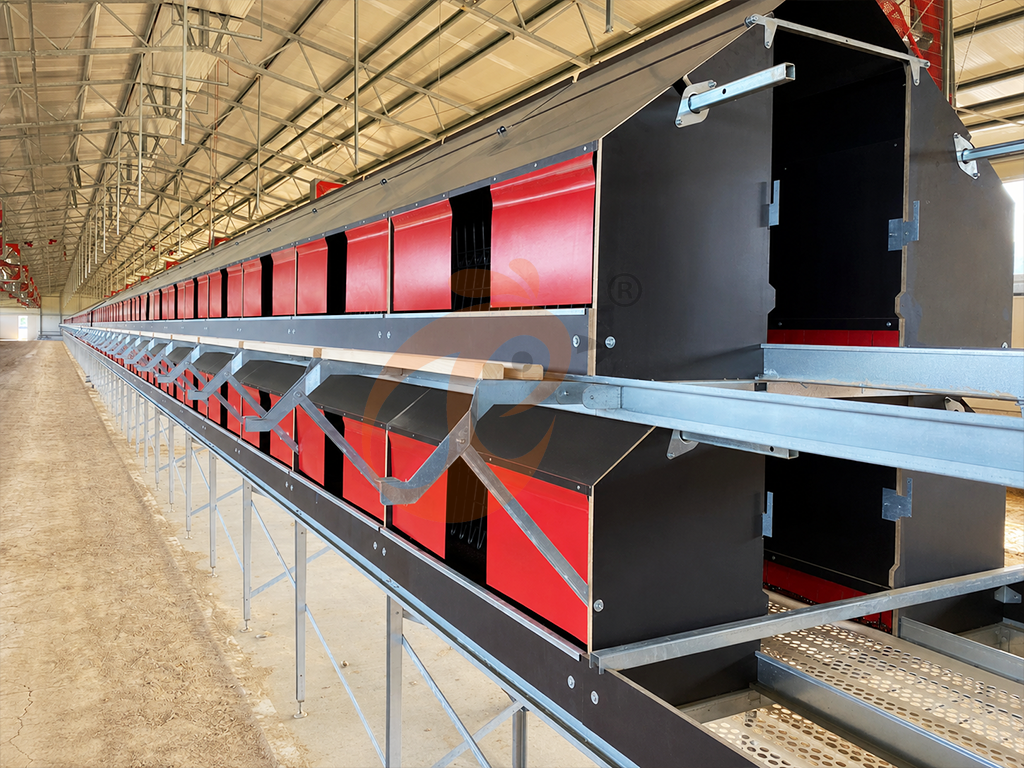
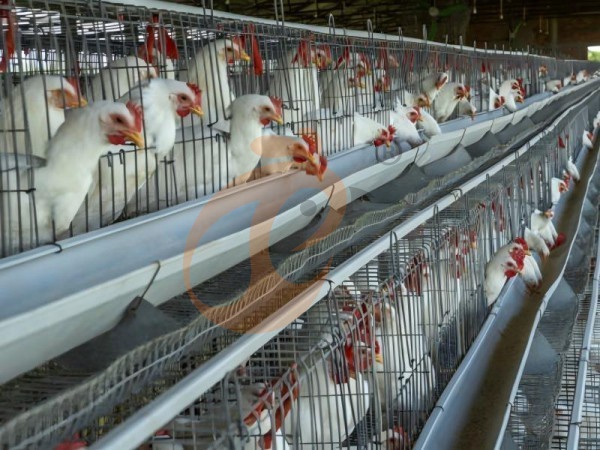
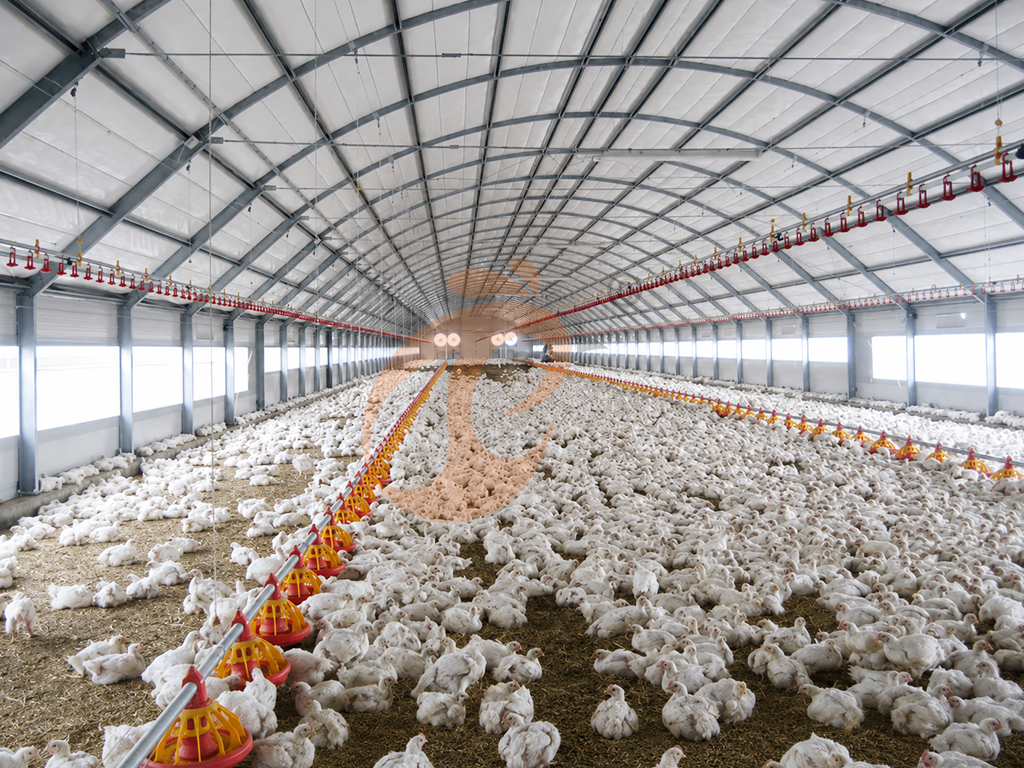
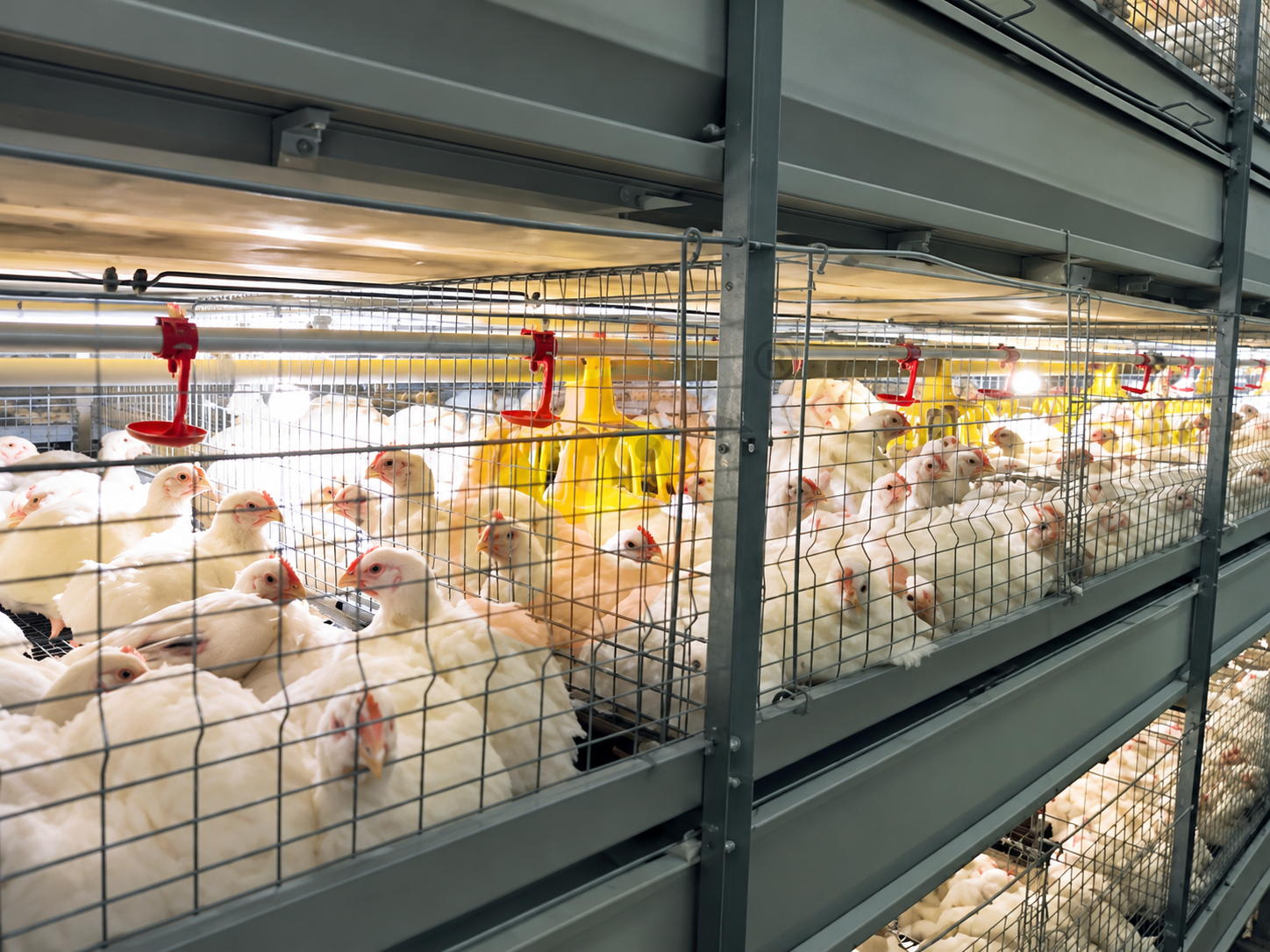
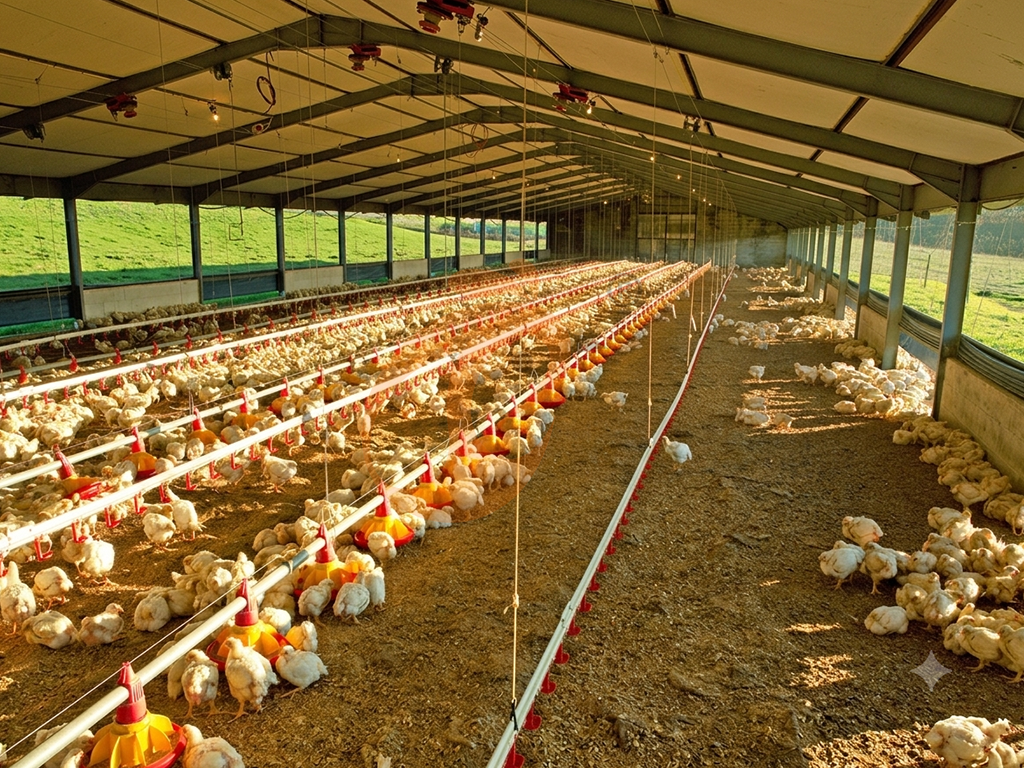
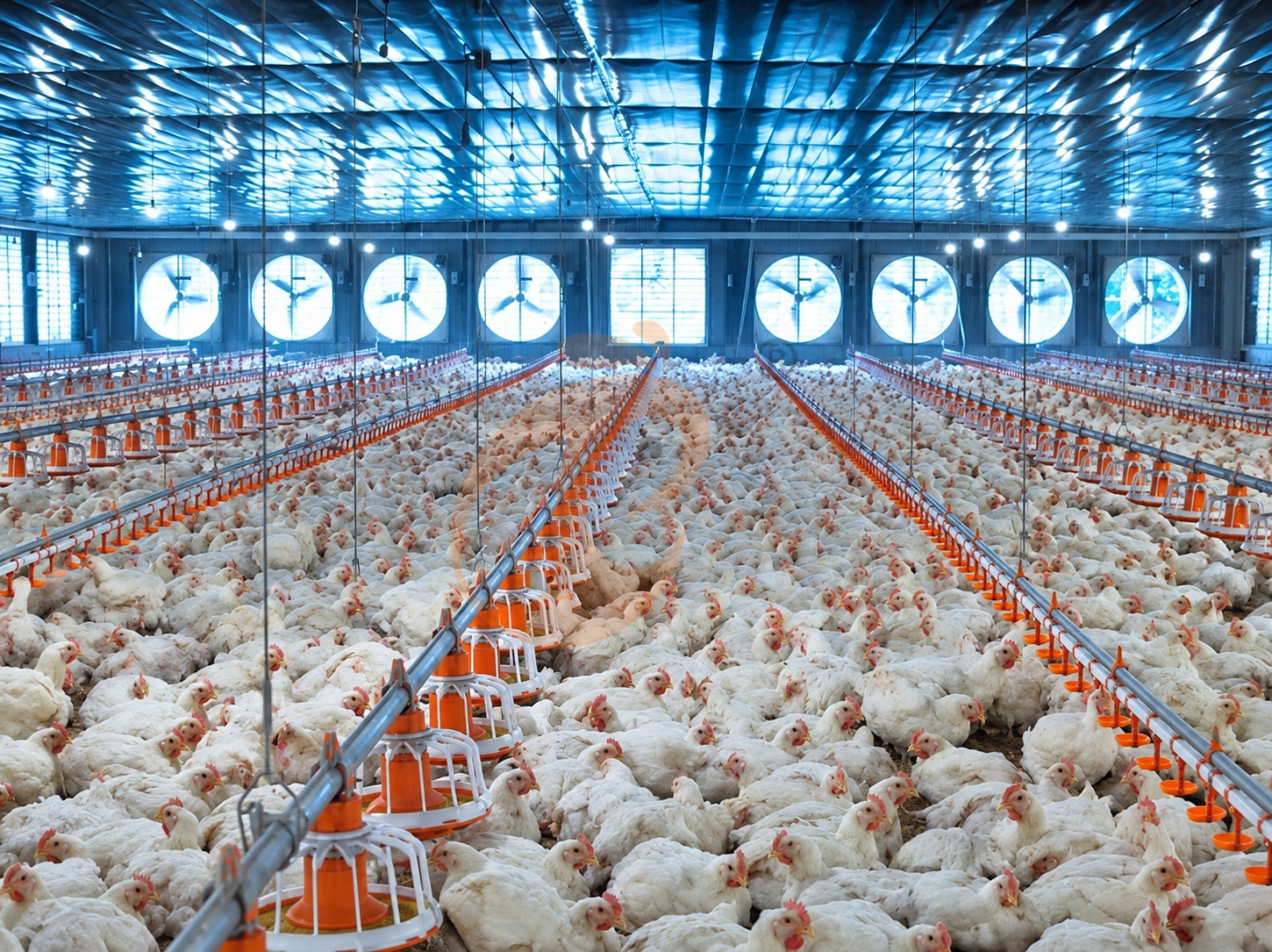
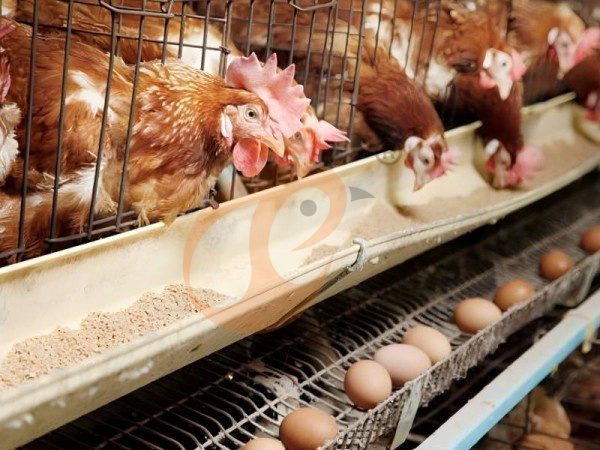
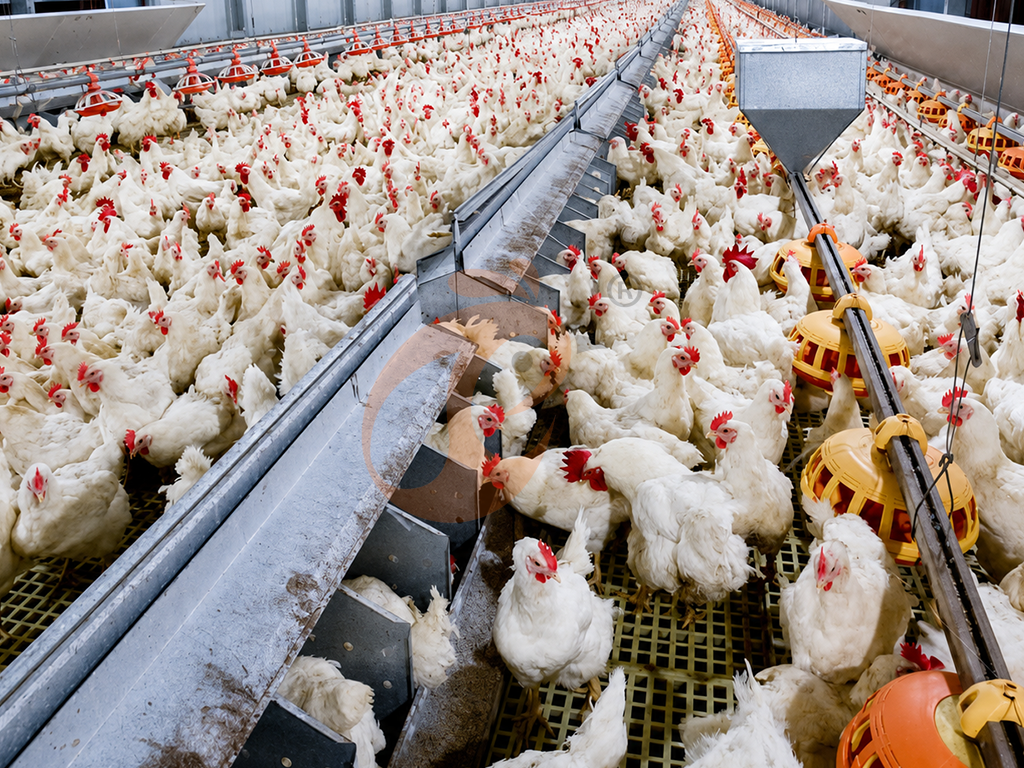
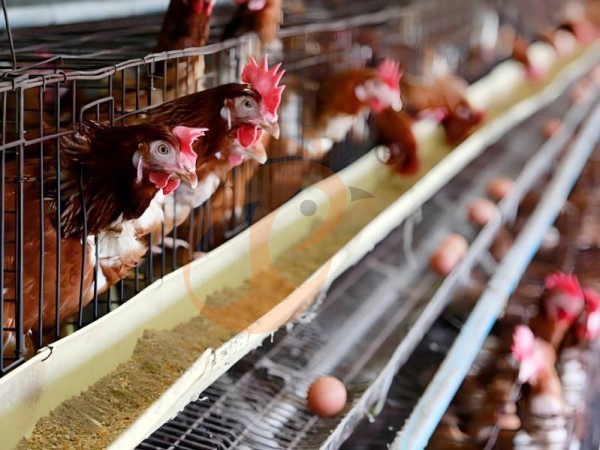
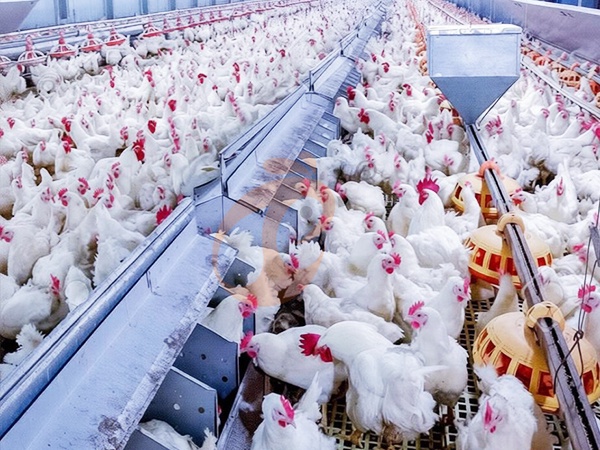
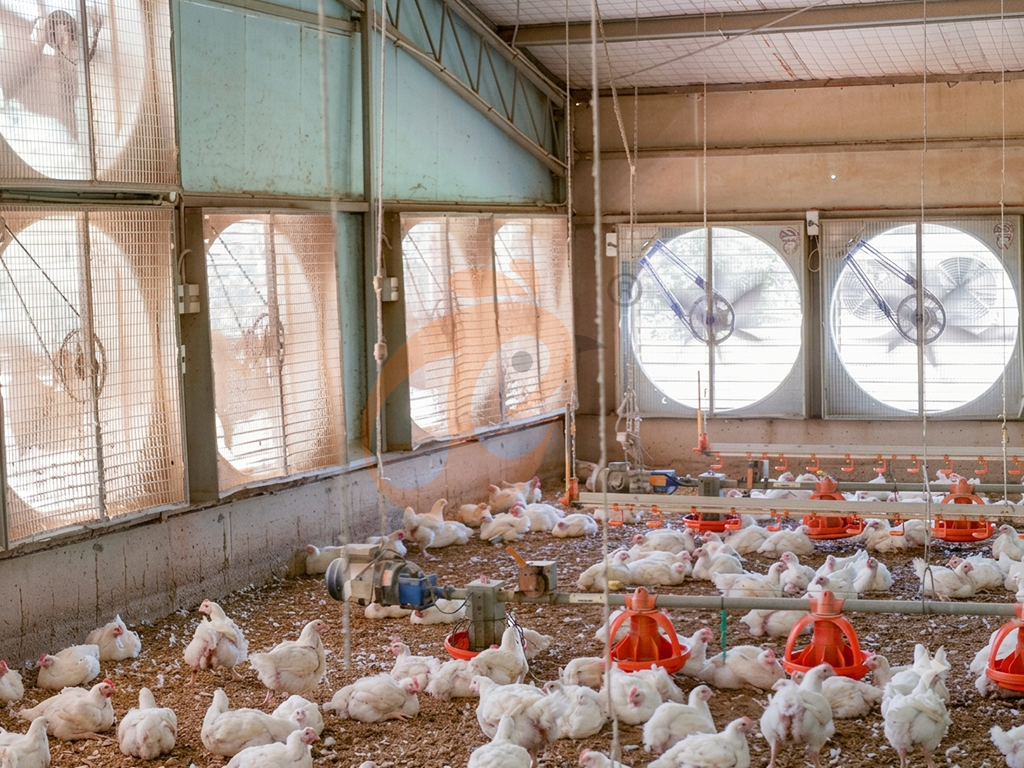
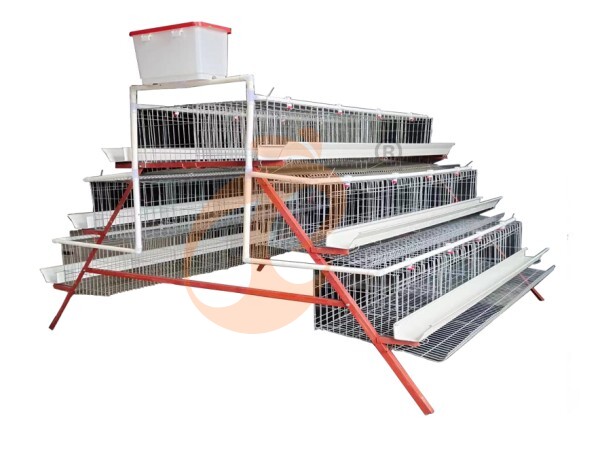
تتطلب أنظمة أقفاص دجاج التسمين الحديثة تحكما دقيقا في التغذية, وإدارة فعالة للتهوية, وتخطيطا غذائيا مستقرا لمشاريع تربية الدواجن واسعة النطاق.
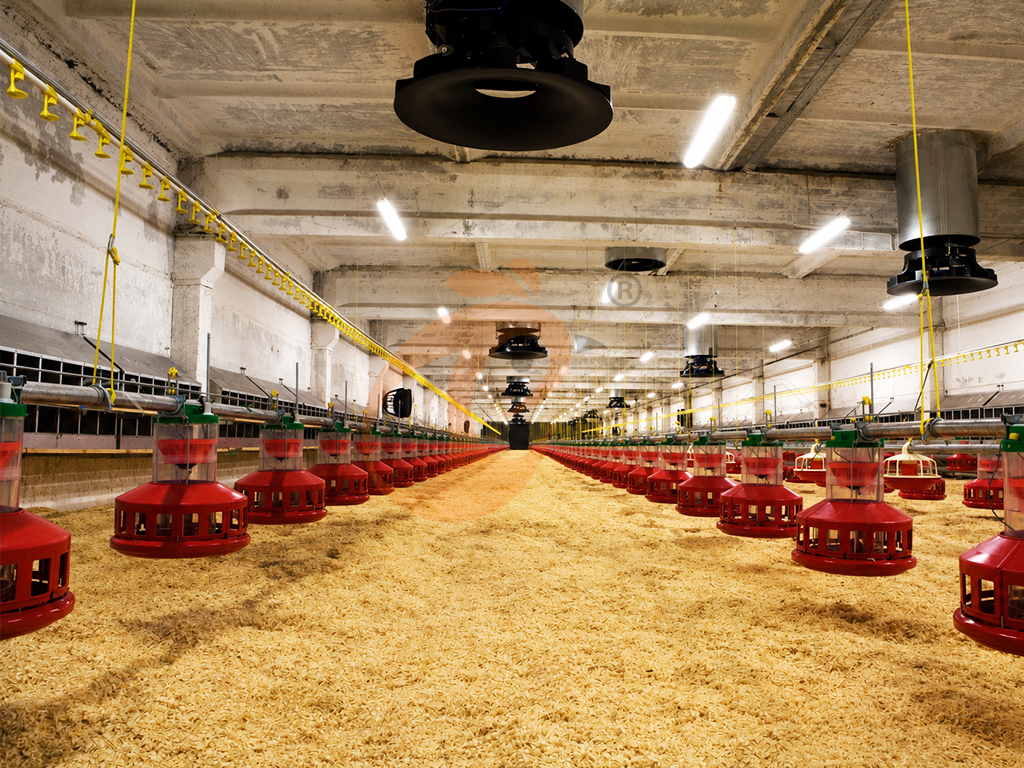
توزع معدات تغذية الدواجن الأوتوماتيكية العلف بالتساوي داخل صفوف أقفاص دجاج التسمين وتقلل عدم اتساق التغذية اليدوية خلال دورات إنتاج الدواجن التجارية.
تحسن معدات أقفاص الدواجن التجارية أداء تحويل العلف, وتقلل معدلات هدر العلف, وتدعم زيادة وزن الدواجن بشكل أسرع في ظروف التربية المكثفة.
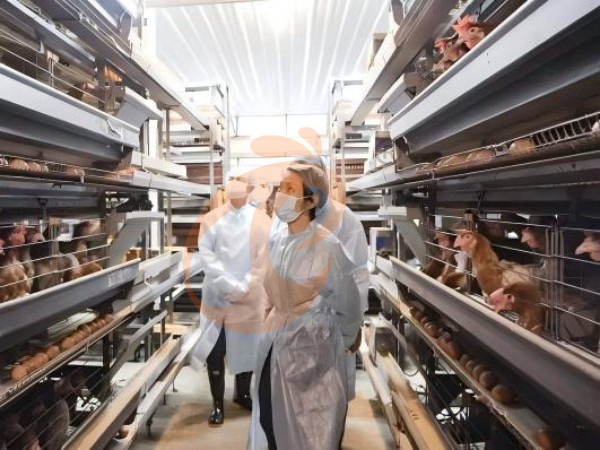
تدعم تكنولوجيا تربية الدواجن المتقدمة تجانسا مستقرا للقطيع, وبيئات أنظف لبيوت الدواجن, وانخفاضا في الطلب على العمالة أثناء عمليات إدارة دجاج التسمين.
تحسن أنظمة تغذية الدواجن المتكاملة, وخطوط الشرب الأوتوماتيكية, ومعدات التحكم البيئي ربحية تربية الدواجن وكفاءة الإنتاج التجاري على المدى الطويل.
احصل على إرشادات مهنية لبناء مزرعة دواجن, وحلول اختيار المعدات, وأحدث قوائم الأسعار, واتساب على +8618830120193, انقر لمعرفة المزيد:
لماذا تهم إدارة التغذية في تربية دجاج التسمين بالأقفاص
تكمل دجاجات التسمين دورات نمو سريعة خلال حوالي 35 إلى 45 يوما في ظروف تربية الدواجن التجارية.
تمثل نفقات العلف عادة 65% إلى 75% من إجمالي تكاليف إنتاج الدواجن داخل مشاريع أقفاص دجاج التسمين الحديثة.
غالبا ما تقلل إدارة التغذية الضعيفة اتساق وزن الجسم, وتزيد تراكم هدر العلف, وتخفض معدلات بقاء الدواجن.
تعتمد عمليات تربية الدواجن التجارية بشكل كبير على معدات تغذية الدواجن الأوتوماتيكية, والجدولة الغذائية العلمية, وأنظمة التحكم البيئي المستقرة.
يؤثر التوزيع غير المتساوي للعلف, وضغط المياه غير المستقر, والتموضع غير المناسب للمعالف مباشرة على أداء نمو الدواجن وربحية السوق.
البيانات للاسترشاد فقط.اسحب أفقيا لعرض الجدول كاملا.
تحسن إدارة التغذية العلمية كفاءة نمو الدواجن وتدعم عوائد أعلى لتربية الدواجن التجارية.
تحسن معدات تغذية الدواجن الأوتوماتيكية دقة توزيع العلف
أصبحت معدات تغذية الدواجن الأوتوماتيكية أساسية داخل أنظمة تربية دجاج التسمين بالأقفاص الحديثة.
غالبا ما يخلق توزيع العلف اليدوي ظروف تغذية غير متساوية ويزيد تكاليف العمالة خلال عمليات تربية الدواجن الكبيرة.
توزع خطوط تغذية الدواجن الأوتوماتيكية العلف بالتساوي عبر صفوف أقفاص الدواجن خلال 3 إلى 5 دقائق حسب طول بيت الدواجن وسعة محرك العلف.
تقلل مزارع الدواجن التجارية التي تشغل 20,000 إلى 50,000 دجاجة تسمين عادة الطلب على العمالة بحوالي 35% بعد تركيب أنظمة تغذية الدواجن الأوتوماتيكية.
تقلل معدات تغذية الدواجن الأوتوماتيكية أيضا معدلات هدر العلف بحوالي 3% إلى 5% مقارنة بطرق التغذية اليدوية التقليدية.
البيانات للاسترشاد فقط.اسحب أفقيا لعرض الجدول كاملا.
تحسن أنظمة تغذية الدواجن التجارية اتساق التغذية وتقلل الأخطاء التشغيلية خلال دورات إنتاج الدواجن المكثفة.
يدعم ارتفاع المعلف الصحيح أداء أفضل لتناول العلف
يؤثر ارتفاع المعلف مباشرة على إمكانية الوصول إلى العلف داخل أنظمة تربية دجاج التسمين بالأقفاص.
تقلل المعالف الموضوعة على ارتفاع مفرط وصول مجموعات الدواجن الأصغر إلى العلف خلال مراحل النمو المبكرة.
تزيد المعالف الموضوعة على انخفاض مفرط تناثر العلف وتخلق خسائر علف غير ضرورية حول معدات أقفاص الدواجن.
توصي إدارة تربية الدواجن المهنية بالحفاظ على ارتفاع المعلف قريبا من مستوى ظهر الدواجن خلال جميع مراحل نمو الدواجن.
البيانات للاسترشاد فقط.اسحب أفقيا لعرض الجدول كاملا.
تفحص مزارع الدواجن التجارية عموما ارتفاع المعلف كل يومين خلال فترات نمو الدواجن السريع.
يحسن ضبط المعلف الصحيح كفاءة تناول العلف ويقلل تراكم هدر العلف داخل أنظمة أقفاص الدواجن.
معرفة علم الدواجن حول نسبة تحويل العلف
تظل نسبة تحويل العلف واحدة من أهم المؤشرات الفنية داخل مشاريع تربية الدواجن التجارية.
تقيس نسبة تحويل العلف كمية العلف المطلوبة لزيادة وزن جسم الدواجن خلال دورات إنتاج دجاج التسمين.
تستهدف مزارع أقفاص دجاج التسمين التجارية عموما قيم FCR بين 1.45 و 1.70 في ظروف إدارة بيئية مستقرة.
تتطلب مزرعة دواجن تنتج دجاج تسمين بوزن 2.5 kg مع FCR يبلغ 1.55 استهلاكا تقريبا 3.88 kg من العلف لكل طائر خلال دورة الإنتاج الكاملة.
البيانات للاسترشاد فقط.اسحب أفقيا لعرض الجدول كاملا.
يحسن التخطيط الغذائي العلمي بقوة ربحية تربية الدواجن وكفاءة الإنتاج التجاري.
تحسن أنظمة المياه المستقرة كفاءة تغذية الدواجن
يبقى تناول المياه وتناول العلف مرتبطين ارتباطا وثيقا داخل عمليات تربية الدواجن التجارية.
تستهلك دجاجات التسمين عموما حوالي 1.6 إلى 2 لتر من المياه لكل كيلوغرام من العلف المتناول حسب ظروف درجة حرارة البيئة.
غالبا ما تقلل أنظمة مياه الشرب غير المستقرة شهية الدواجن وتخفض مستويات تناول العلف اليومية داخل مزارع أقفاص الدواجن.
تزيد خطوط أنابيب المياه المتسخة أيضا مخاطر التلوث البكتيري وتؤثر سلبا على صحة الجهاز الهضمي للدواجن.
البيانات للاسترشاد فقط.اسحب أفقيا لعرض الجدول كاملا.
تقوم مزارع الدواجن التجارية عادة بغسل خطوط أنابيب المياه كل صباح لتقليل تراكم البكتيريا داخل أنظمة الشرب.
تحسن أنظمة المياه المستقرة اتساق تغذية الدواجن وتدعم أداء نمو أقوى للدواجن خلال ظروف المناخ الحار.
يقلل شكل العلف المناسب تراكم هدر العلف
يؤثر قوام العلف بقوة على سلوك تغذية الدواجن وأداء تحويل العلف داخل أنظمة أقفاص دجاج التسمين.
تستخدم مزارع الدواجن التجارية عادة العلف المفتت خلال مراحل البداية والعلف المحبب خلال مراحل النمو والتسمين النهائي.
يحسن العلف المحبب سرعة التغذية ويقلل سلوك التغذية الانتقائية بين مجموعات الدواجن.
تشير دراسات تربية الدواجن التجارية إلى أن العلف المحبب يحسن أداء النمو بحوالي 4% إلى 8% مقارنة بأنظمة العلف المطحون.
البيانات للاسترشاد فقط.اسحب أفقيا لعرض الجدول كاملا.
تؤثر التهوية والتحكم في درجة الحرارة على شهية الدواجن
تؤثر الإدارة البيئية بقوة على شهية الدواجن وأداء التغذية داخل مشاريع أقفاص دجاج التسمين.
يبقى الإجهاد الحراري أحد أكبر أسباب انخفاض تناول العلف داخل أنظمة تربية الدواجن التجارية.
تستهلك دجاجات التسمين علفا أقل وتزيد تناول المياه عندما تتجاوز درجات حرارة بيت الدواجن 30°C.
تزيد مزارع الدواجن التجارية غالبا نشاط التغذية خلال فترات الليل والصباح الباكر في ظروف مناخ الصيف.
تساعد أنظمة وسائد التبريد, ومراوح الشفط, ومعدات تدوير الهواء في الحفاظ على أداء نمو مستقر للدواجن.
البيانات للاسترشاد فقط.اسحب أفقيا لعرض الجدول كاملا.
تحافظ مزارع الدواجن التجارية عادة على معدلات تدفق هواء التهوية بين 2.5 و 3.5 m³/ساعة لكل كيلوغرام من وزن الدواجن خلال مراحل النمو.
تحسن مراقبة بيانات الدواجن الأسبوعية دقة إدارة المزرعة
أصبحت إدارة مزارع الدواجن القائمة على البيانات ذات أهمية متزايدة داخل صناعات تربية الدواجن التجارية.
تراقب مشاريع تربية الدواجن الناجحة باستمرار تناول العلف, ومعدل النفوق, ووزن جسم الدواجن, وأداء استهلاك المياه.
تساعد مراقبة الإنتاج المنتظمة مديري مزارع الدواجن على تحديد المشكلات التشغيلية قبل حدوث خسائر مالية خطيرة.
البيانات للاسترشاد فقط.اسحب أفقيا لعرض الجدول كاملا.
قد تشير الانخفاضات المفاجئة في تناول علف الدواجن إلى تفشي الأمراض, أو ضعف أداء التهوية, أو مشكلات تلوث العلف.
تحسن سجلات الإنتاج طويلة الأجل دقة تخطيط تربية الدواجن وكفاءة الاستثمار التجاري.
القيمة الاقتصادية لإدارة تغذية الدواجن الأفضل
تحسن إدارة تغذية الدواجن الفعالة ربحية مزرعة الدواجن واستقرار الإنتاج مباشرة.
قد يؤدي تقليل هدر العلف بنسبة 2% فقط إلى وفورات سنوية كبيرة لمزارع الدواجن التجارية الكبيرة التي تشغل أنظمة أقفاص دجاج التسمين المكثفة.
قد توفر مزرعة دواجن تجارية تشغل 20,000 دجاجة تسمين حوالي $1,200 إلى $2,000 سنويا من خلال تحسين كفاءة إدارة العلف.
مرجع معيار الاتحاد الأوروبي فقط.
تقلل معدات تغذية الدواجن الأوتوماتيكية أيضا نفقات العمالة بحوالي $300 إلى $600 شهريا حسب تكاليف العمالة الإقليمية وحجم مزرعة الدواجن.
مرجع معيار الاتحاد الأوروبي فقط.
البيانات للاسترشاد فقط.اسحب أفقيا لعرض الجدول كاملا.
يقلل انخفاض هدر العلف أيضا نفقات النقل, وضغط التخزين, ومتطلبات التنظيف التشغيلي داخل مزارع الدواجن.
اقتراحات إضافية لإدارة تغذية الدواجن
تتطلب إدارة تربية الدواجن المهنية اتساقا تشغيليا مستقرا بدلا من إجراءات إدارة معقدة.
تحسن جداول التغذية الثابتة سلوك تغذية الدواجن وتدعم تجانسا أقوى لقطيع الدواجن خلال دورات الإنتاج التجاري.
تقلل ظروف الإضاءة المستقرة إجهاد الدواجن خلال فترات التغذية وتحسن أداء تناول العلف اليومي داخل أنظمة أقفاص دجاج التسمين.
يجب أن تتلقى مجموعات الدواجن الضعيفة إدارة تغذية منفصلة لتحسين أداء البقاء واتساق وزن الجسم.
يحسن تدريب العمال المناسب دقة ضبط المعالف ويقلل أخطاء تشغيل المعدات خلال عمليات تربية الدواجن.
تحافظ مزارع الدواجن التجارية عادة على شدة إضاءة بين 10 و 20 لوكس خلال مراحل النمو لتحسين نشاط تغذية الدواجن.
الأسئلة الشائعة
س1: كم مرة يجب إجراء صيانة لمعدات تغذية الدواجن الأوتوماتيكية؟
يجب أن تخضع أنظمة تغذية الدواجن التجارية لفحص أساسي كل يوم وصيانة ميكانيكية كاملة كل سبعة أيام.
يجب أن تشمل إجراءات الفحص اليومية تشغيل محرك العلف, وحركة سلسلة العلف, وحالة المستشعر, ونظافة طبق العلف.
س2: أي نوع علف يحقق أداء نمو أفضل للدواجن؟
يحسن العلف المحبب عموما كفاءة تناول العلف ويقلل هدر العلف مقارنة بأنظمة العلف المطحون.
تستخدم مزارع الدواجن التجارية عادة العلف المفتت خلال مراحل البداية والعلف المحبب خلال مراحل النمو والتسمين النهائي.
س3: لماذا ينخفض تناول علف الدواجن خلال ظروف الصيف؟
تزيد درجات الحرارة البيئية المرتفعة الإجهاد الحراري للدواجن وتقلل نشاط التغذية داخل أنظمة أقفاص دجاج التسمين.
تحسن مزارع الدواجن التجارية عادة أداء التهوية وتزيد جداول التغذية الليلية خلال فترات الطقس الحار.
مجموعة تايو (HK) - واحدة من أكبر موردي أقفاص دجاج التسمين في الصين
تدعم معدات أقفاص دجاج التسمين المتقدمة عمليات إدارة تغذية الدواجن التجارية بكفاءة حول العالم.
يدعم توريد معدات الدواجن المباشر من المصنع عالميا تكاليف استثمار وبناء تنافسية لتربية الدواجن.
تحسن أنظمة أقفاص الدواجن المهنية أداء التهوية ودقة توزيع تغذية الدواجن الأوتوماتيكية بشكل كبير.
تدعم حلول هندسة تربية الدواجن الجاهزة متطلبات التخطيط الكامل لبيوت الدواجن وتركيب المعدات.
تدعم معدات تربية الدواجن التجارية إنتاجية مستقرة داخل مشاريع تربية الدواجن المكثفة الحديثة عالميا.
اتصل بنا لاستلام خطة مزرعة الدواجن المخصصة لك
المقر الرئيسي والفروع
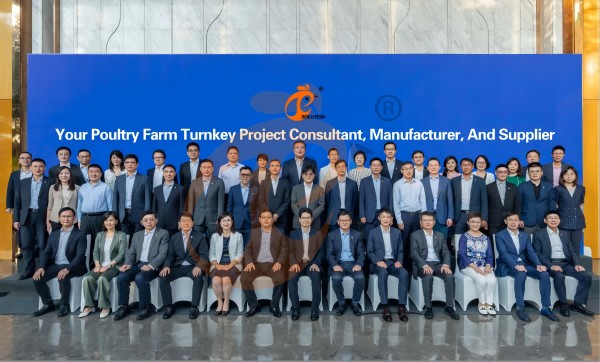
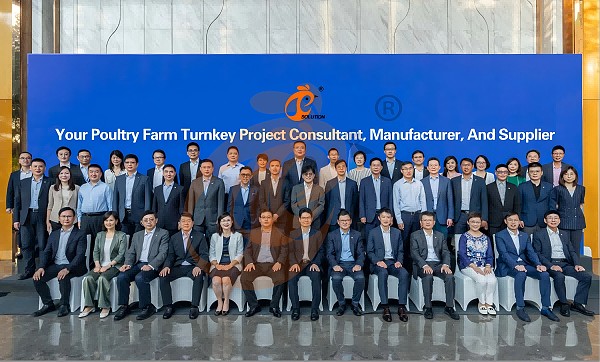
فريق إدارة المقر الرئيسي في هونغ كونغ
المقر الرئيسي في هونغ كونغ Taiyu Industrial Group CO., LTD
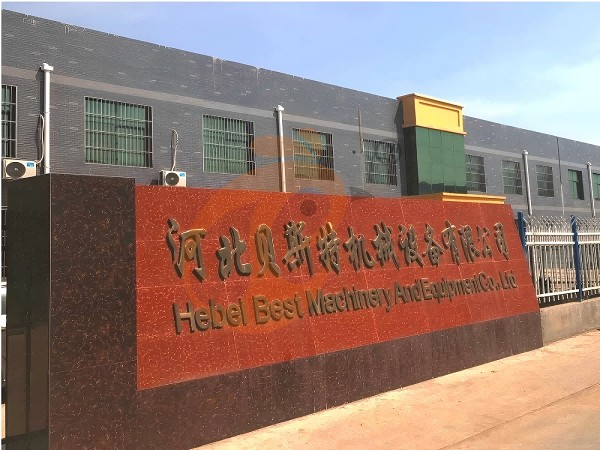
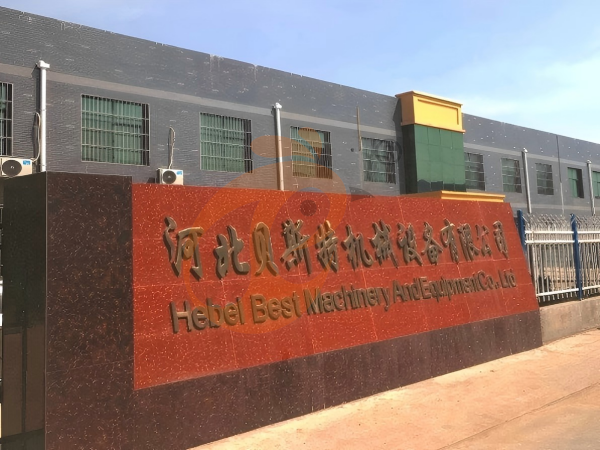
الصين Hebei Best Machinery And Equipment CO., LTD
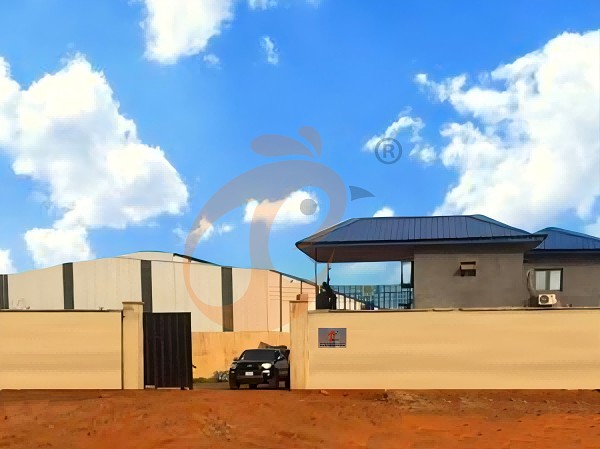
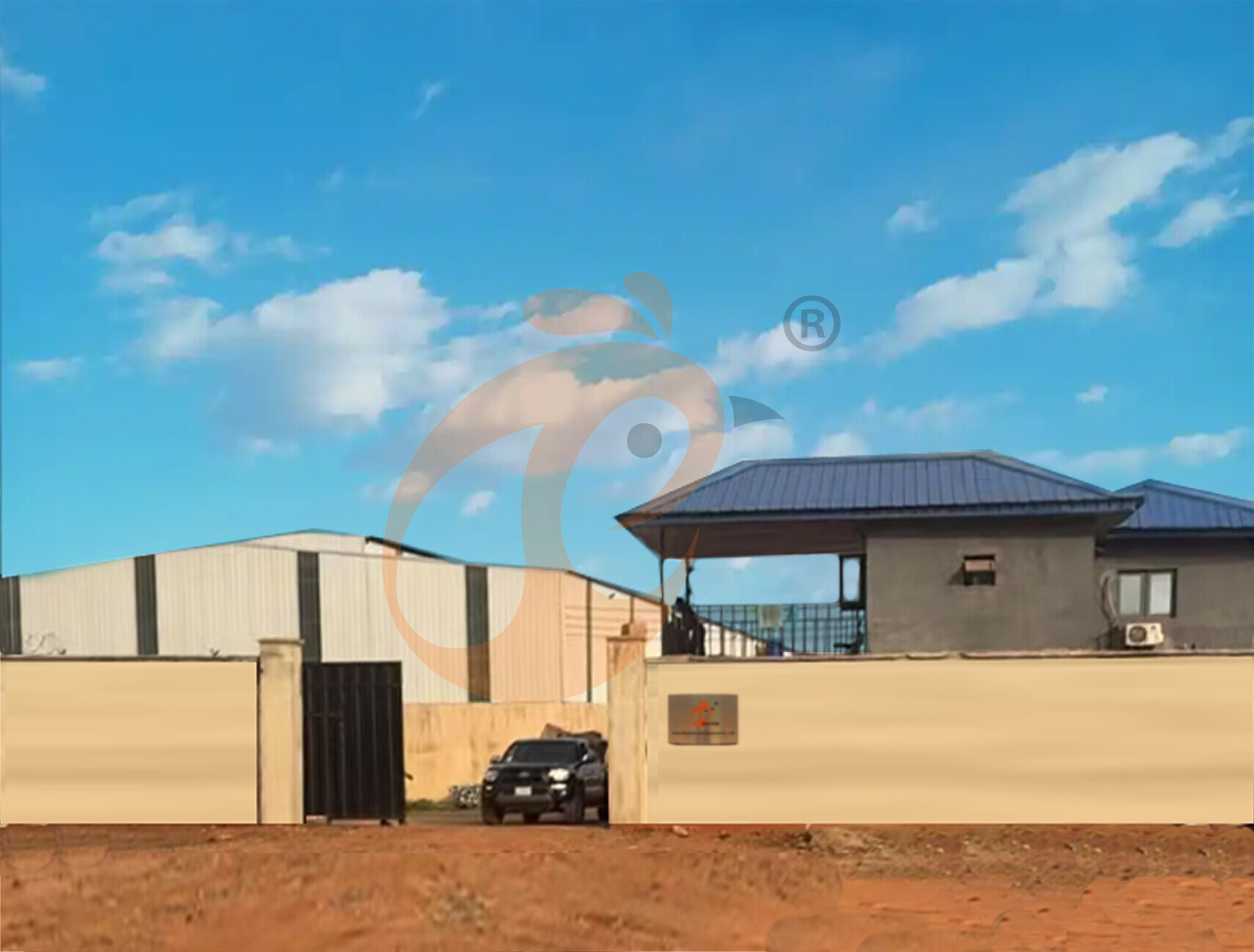
نيجيريا Vanke Machinery And Equipment CO., LTD
تنزانيا Best Machinery And Equipment CO., LTD
إثيوبيا Best Hebei Machinery Manufacturing PLC
الاستقبال /24 رقم واتساب : +8618830120193
الأسئلة الشائعة
- poultry equipment
- poultry farming equipment
- chicken cage
- poultry farm
- poultry cage
- poultry feeding system
- poultry feeding equipment
- automatic poultry feeding system
- automatic poultry feeding equipment
- poultry cage system
- chicken cage supplier
- large-scale poultry farm
- poultry house
- chicken cage system
- poultry cage systems
- poultry cage equipment
- poultry farm management
- تربية أقفاص الدجاج
- broiler chicken cage
- Tanzania
- chicken cage equipment
توصيات المنتج
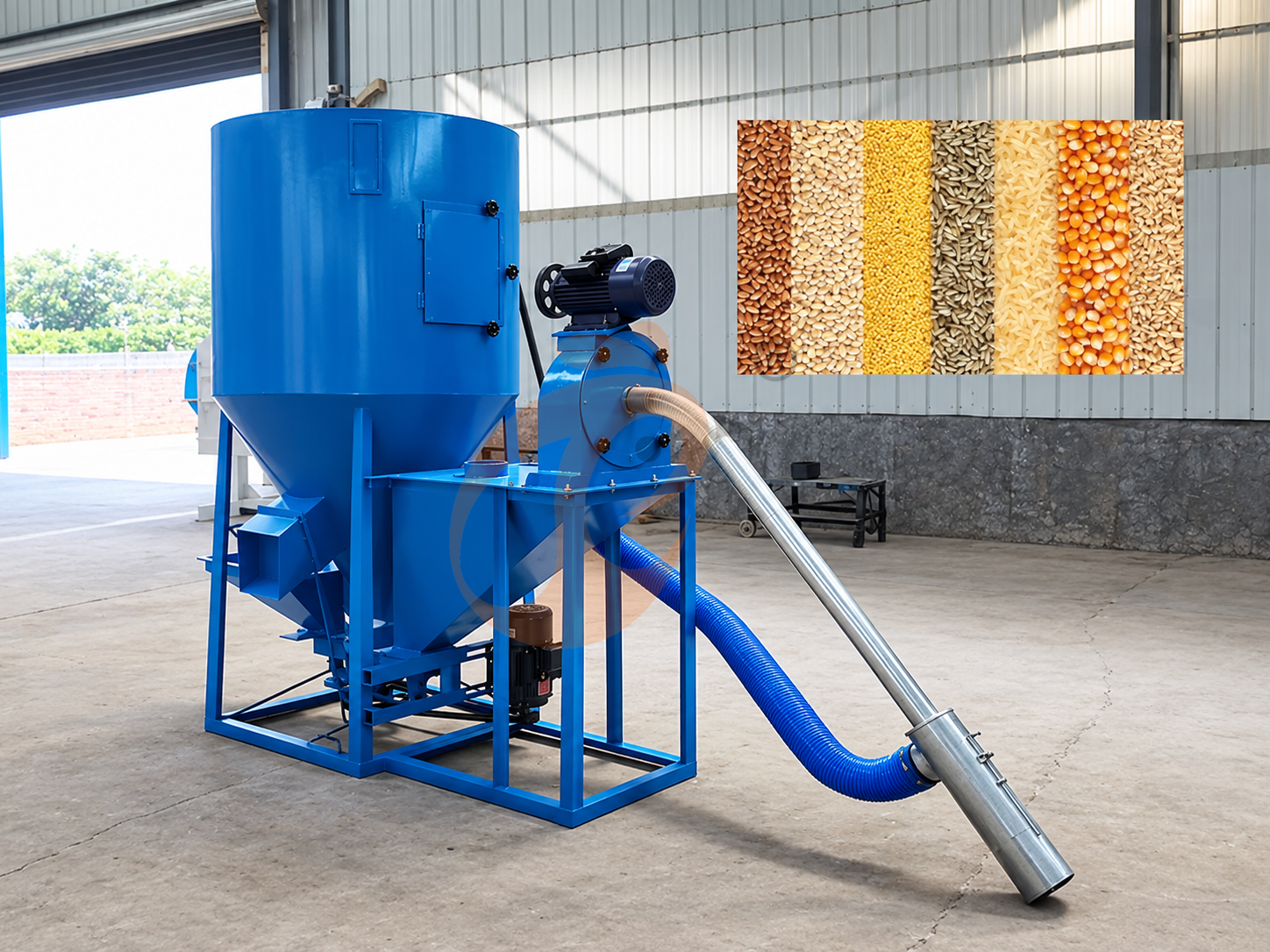
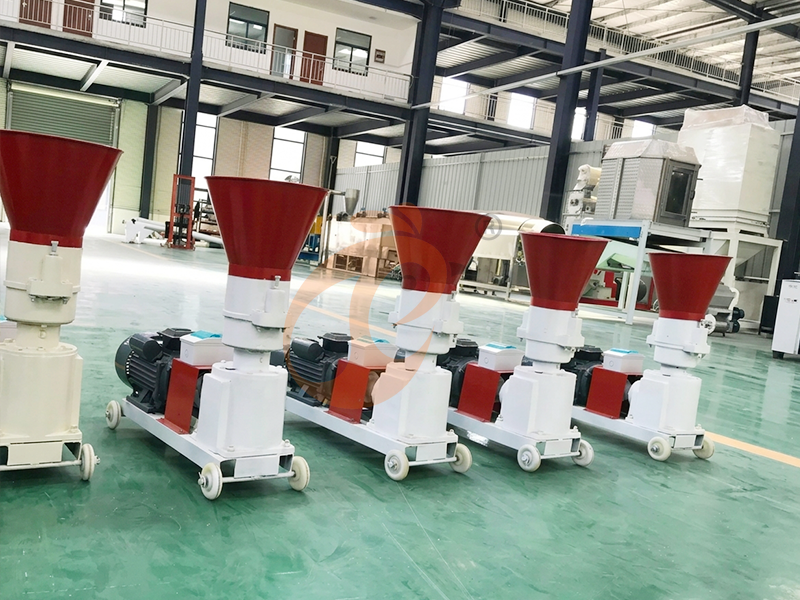
 آلة تكوير لمختلف أنواع الأعلاف | 5 تطبيقات متعددة الاستخدامات1. تدعم آلات تكوير الأعلاف إنتاجًا متعدد الاستخدامات عبر 5 فئات من الأعلاف
2. يساعد اختيار القالب المناسب على تحقيق أبعاد الحبيبات المحددة
3. تحسّن معدات التحضير المتكاملة اتساق مناولة المواد
4. يدعم التبريد والغربلة ضبط جودة الحبيبات النهائية
5. الاستقبال / رقم WhatsApp: +8618830120193اقرأ المزيد عائد الاستثمار في معدات الدواجن التجارية | 5 طرق مجرّبة لتحسين الأرباح1. تساعد معدات الدواجن التجارية على جعل عمليات التغذية والشرب أكثر انتظامًا في المزارع الحديثة
2. تساعد أنظمة تغذية الدواجن الأوتوماتيكية على تنظيم إيصال العلف من خلال النقل والتوزيع المنسقين
3. تساعد مراوح تهوية الدواجن على التحكم في تدفق الهواء في ظل تغير الظروف الموسمية
4. يربط التخطيط المتكامل للمعدات 3 أنظمة أساسية لإدارة المزرعة بصورة عملية
5. الاستقبال / رقم WhatsApp: +8618830120193اقرأ المزيد سعر نظام التربية الأرضية للدجاج البياض | 6 عوامل رئيسية للتكلفة1. تنسّق معدات التربية الأرضية التغذية والسقاية والتعشيش والتهوية وجمع البيض
2. تدعم الأنظمة الآلية سير عمل منتظمًا في بيئات إنتاج الدواجن التجارية
3. تحسّن التصاميم الهندسية سهولة الوصول لأغراض الفحص والتنظيف والصيانة الدورية
4. تساعد المواصفات الفنية في اختيار المعدات ودمجها ضمن المشروع
5. للاستقبال / رقم WhatsApp: +8618830120193اقرأ المزيد أقفاص بطاريات من النوع A مع حزام أو مكشطة لإزالة الروث: 5 نصائح عملية للاختيار1. تدعم أقفاص البطاريات من النوع A أنظمة إيواء منظمة للدجاج البياض التجاري
2. تنقل أحزمة إزالة السماد المخلفات بكفاءة إلى نقاط التجميع المحددة
3. تزيل الكاشطات السماد المتراكم عبر قنوات التجميع المتوافقة
4. تساعد عمليات الفحص الدورية في الحفاظ على أداء المعدات وموثوقية التشغيل
5. للاستقبال / رقم WhatsApp: +8618830120193اقرأ المزيد كيفية تخصيص أقفاص الدجاج من النوع H بنظام البطاريات لمزرعة الدواجن لديك؟1. أقفاص من النوع H تدمج أنظمة التغذية والشرب وإزالة الروث
2. تحدد أبعاد الأقفاص تخطيط الخلايا وسعة الطيور
3. تعتمد متطلبات التهوية على كثافة التربية والمناخ
4. يربط نظام جمع البيض الآلي الأحزمة بمعدات النقل
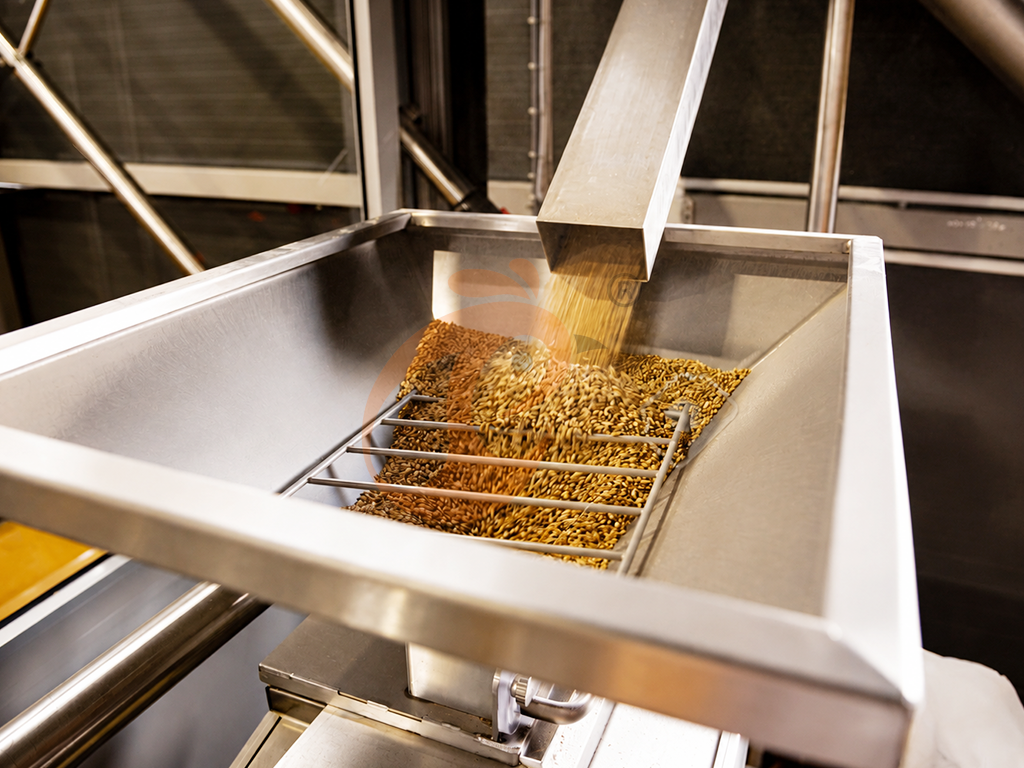
5. الاستقبال / رقم WhatsApp: +8618830120193اقرأ المزيد مطحنة الأعلاف أم التحبيب | أيهما يحسّن جودة العلف؟1. يحدد الطحن توزيع أحجام جزيئات المكونات قبل الخلط
2. يوزع الخلط العناصر الغذائية المحددة في التركيبة على كل دفعة
3. يهيئ التكييف مواد العلف لتشكيل الحبيبات
4. يثبت التبريد الحبيبات قبل التخزين والتعبئة والتغليف
5. الاستقبال / رقم WhatsApp: +8618830120193اقرأ المزيد كيفية اختيار نوع قالب ماكينة تكوير الأعلاف | 6 نصائح عملية1. يحدد قطر فتحة القالب الحجم الاسمي للحبيبات ويؤثر في تدفق المواد
2. تعتمد نسبة الضغط على الطول الفعال للفتحة وقطرها
3. تؤثر محاذاة الأسطوانات وتهيئة العلف في استقرار الإنتاج
4. يساعد الفحص الدوري على اكتشاف الانسداد والتآكل وانخفاض الإنتاج
5. الاستقبال / رقم WhatsApp: +8618830120193اقرأ المزيد كيفية اختيار معدات دواجن بأسعار معقولة | 6 نصائح عملية1. تحدد أبعاد المزرعة تخطيط المعدات وسعتها المناسبة
2. يؤثر حجم القطيع في متطلبات أنظمة التغذية والشرب
3. تأخذ حسابات التهوية في الاعتبار تدفق الهواء وظروف درجة الحرارة
4. تساعد الصيانة الدورية في الحفاظ على أداء المعدات وموثوقيتها
5. الاستقبال / رقم WhatsApp: +8618830120193اقرأ المزيد تربية الدجاج البياض على الأرض | 5 نصائح أساسية لإنتاج البيض1. تجمع أنظمة التربية الأرضية بين حركة الطيور وتصميمات إيواء منظمة
2. توزّع معدات التغذية الآلية العلف على خطوط محددة
3. تتيح أنظمة الشرب الوصول إلى مياه نظيفة مع مراقبتها
4. تنقل سيور البيض البيضَ المجموع إلى محطات الفحص
5. الاستقبال / رقم WhatsApp: +8618830120193اقرأ المزيد تكلفة تربية الدجاج البياض في أنظمة التربية الحرة | 5 عوامل رئيسية للميزانية1. تتطلب أنظمة تربية الدجاج البياض في المراعي المفتوحة تنسيق معدات التغذية والشرب
2. تعتمد سعة التهوية على المناخ وأبعاد المبنى
3. يجب أن تتوافق ناقلات البيض مع معدل الإنتاج المتوقع
4. يجب التحقق من مواصفات المعدات من الشركة المصنّعة قبل التركيب
5. الاستقبال / رقم WhatsApp: +8618830120193اقرأ المزيد تكلفة تربية الدجاج البياض بنظام الفرشة العميقة | 5 عوامل للميزانية1. تؤثر أبعاد العنبر في مواضع المعالف وتصميم التهوية
2. يعتمد توزيع العلف على سعة خط التغذية وإمكانية وصول الطيور إليه
3. يتطلب ضغط مياه الشرب إجراء فحوصات تشغيلية منتظمة
4. يعتمد أداء التهوية على تدفق الهواء والضغط الساكن
5. رقم الاستقبال /WhatsApp: +8618830120193اقرأ المزيد المعدن أم البلاستيك في لوالب نقل الأعلاف؟ أيهما أكثر متانة؟1. يعتمد أداء لولب النقل المعدني على السبيكة المختارة وحمل التشغيل
2. تعتمد ملاءمة لولب النقل البلاستيكي على درجة البوليمر وحدود درجة الحرارة
3. تختلف سعة الناقل باختلاف خصائص العلف وتخطيط التركيب
4. تتطلب أنظمة التغذية الآلية محركات ومكونات متوافقة
5. الاستقبال / رقم WhatsApp: +8618830120193اقرأ المزيد 5 نصائح أساسية لسلامة مشغّلي ماكينة تصنيع الحبيبات1. افحص الحواجز والتوصيلات الكهربائية قبل تشغيل آلة تصنيع الحبيبات
2. اتبع إجراءات العزل المعتمدة قبل التنظيف أو الصيانة
3. طابق تركيبة العلف مع مواصفات آلة تصنيع الحبيبات المختارة
4. راقب حالة المعدات ووثّق الملاحظات غير الطبيعية أثناء التشغيل
5. الاستقبال / رقم WhatsApp: +8618830120193اقرأ المزيد مورد أقفاص دجاج التسمين | 6 معايير عملية للتقييم1. تحدد أبعاد الأقفاص ترتيب المعدات والسعة القابلة للاستخدام في الحظائر
2. تؤثر مواد الإطارات ومعالجات الأسطح في مقاومة التآكل ومتطلبات الصيانة
3. توزع أنظمة التغذية العلف في أقسام الأقفاص المحددة
4. تتطلب خطوط الشرب تنظيمًا مناسبًا للضغط وفحصًا دوريًا
5. للاستقبال / رقم WhatsApp: +8618830120193اقرأ المزيد مورد أقفاص البطاريات للدجاج البياض | 6 معايير عملية للتقييم1. تدعم تخطيطات أقفاص البطاريات التخطيط المنسق لمعدات الدواجن في مباني المزارع التجارية
2. يجب التحقق من أبعاد الأقفاص وتكوينات الطبقات بالرجوع إلى الرسومات الهندسية المعتمدة
3. تتطلب أنظمة التغذية والشرب وصلات متوافقة ومواصفات تشغيل مناسبة
4. يعتمد اختيار الناقل على أحمال المعدات وهندسة التركيب
5. للاستقبال / رقم WhatsApp: +8618830120193اقرأ المزيد كيفية ترقية مزارع البيض التقليدية باستخدام أنظمة الأقفاص البطارية للدجاج البياض | 5 خطوات1. تدعم أنظمة التغذية الآلية توزيع العلف بانتظام في جميع أنحاء عنابر الدواجن.
2. تساعد سيور جمع البيض على نقله إلى نقاط التجميع المركزية.
3. تدعم أنظمة إزالة الروث الإدارة الدورية لمخلفات عنابر الدواجن.
4. توفر أقفاص الدجاج البياض من النوع H ترتيبات منظمة للإنتاج التجاري للبيض.
5. الاستقبال / رقم WhatsApp: +8618830120193اقرأ المزيد كيفية تحديث المزارع التقليدية باستخدام أنظمة أقفاص دجاج التسمين | 5 خطوات1. حدّث المزارع التقليدية باستخدام معدات أقفاص متكاملة
2. حسّن العمليات اليومية من خلال أنظمة تغذية آلية موثوقة
3. حافظ على إمداد ثابت بالمياه باستخدام أنظمة الشرب بالحلمات
4. ادعم التحكم البيئي باستخدام تهوية مناسبة الحجم
5. الاستقبال / رقم WhatsApp: +8618830120193اقرأ المزيد كيفية إدارة الدجاج البياض في نظام التربية الحرة | 6 نصائح عملية1. تدعم أنظمة التغذية الآلية توزيع العلف بشكل مضبوط ومراقبة المخزون
2. تتطلب أنظمة الشرب التنظيف المنتظم وفحوصات هيدروليكية
3. تحتاج معدات التهوية إلى مستشعرات معايرة وصيانة وقائية
4. يتطلب جمع البيض التعامل معه بعناية وإمكانية تتبعه
5. الاستقبال / رقم WhatsApp: +8618830120193اقرأ المزيد كيفية إدارة الدجاج البياض في نظام الفرشة العميقة | 6 نصائح عملية1. افحص حالة الفرشة أثناء عمليات التفتيش اليومية لحظائر الدواجن
2. راقب استهلاك المياه وابحث عن أسباب أي تغييرات غير متوقعة
3. صُن معدات التهوية وفق جداول الشركة المصنّعة
4. نسّق سعة جمع البيض مع الإنتاج اليومي
5. للاستقبال / رقم WhatsApp: +8618830120193اقرأ المزيد نظام أقفاص الدواجن من النوع A اليدوي مقابل الأوتوماتيكي: أيهما يوفر تكاليف العمالة أكثر؟1. تجمع أنظمة أقفاص الدواجن من النوع A بين الهياكل الفولاذية المجلفنة ومعدات التغذية والسقي المتناسقة
2. تقلل أحزمة جمع البيض الأوتوماتيكية المناولة اليدوية عبر صفوف الأقفاص المتعددة
3. تدعم أحزمة إزالة السماد نقل الفضلات وفق جدول محدد والحفاظ على نظافة مناطق الإنتاج
4. تنظم أنظمة التهوية تدفق الهواء وفق ظروف العنبر واحتياجات الطيور
5. للاستقبال / رقم WhatsApp: +8618830120193اقرأ المزيد 5 عوامل أساسية عند شراء أقفاص دجاج من النوع H للتصدير1. يجب أن تتوافق أبعاد قفص الدجاج من النوع H مع رسومات التركيب المعتمدة
2. تتطلب معدات التغذية الأوتوماتيكية محركات وتوصيلات كهربائية متوافقة
3. تعتمد محاذاة ناقل إزالة الروث على ترتيب الأقفاص وموضع التفريغ
4. يجب تأكيد سعة جمع البيض وفقًا لمعدل الإنتاج المخطط له
5. الاستقبال / رقم WhatsApp: +8618830120193اقرأ المزيد كيفية إدارة الدجاج البياض في نظام التربية الأرضية | 6 خطوات عملية1. تدعم أنظمة التربية الأرضية الإدارة المنظمة للقطعان داخل المباني
2. تساعد التهوية المناسبة في الحفاظ على استقرار درجة الحرارة والرطوبة
3. توزع المغذيات الآلية العلف بالتساوي على مجموعات الطيور
4. تكشف عمليات الفحص اليومية عن مشكلات المعدات قبل تراجع الأداء
5. للاستقبال / رقم WhatsApp: +8618830120193اقرأ المزيد نظام أقفاص دجاج من النوع A للمزارع الصغيرة أو الكبيرة؟ 4 خيارات ذكية1. أقفاص الدجاج من النوع A تدعم الإدارة الفعالة لإيواء الدجاج البياض
2. تساعد التهوية المناسبة في الحفاظ على ظروف صحية داخل عنابر الدواجن
3. تعمل أنظمة التغذية الآلية على تحسين توزيع العلف واتساقه
4. تساعد إزالة السماد بانتظام على التحكم في الأمونيا داخل عنابر الدواجن
5. الاستقبال / رقم WhatsApp: +8618830120193اقرأ المزيد كيف تختار مورّدًا موثوقًا لأقفاص الدجاج من النوع H لمزارع الدواجن؟1. تعتمد سعة أقفاص الدجاج من النوع H على أبعاد المبنى المعتمدة وكثافة الإيواء
2. تتطلب معدات التغذية والسقاية الآلية تخطيطًا متوافقًا وحسابات للسعة
3. يتطلب نظاما إزالة الروث وجمع البيض تخطيطًا منسقًا للتركيب
4. يجب أن يراعي تصميم التهوية حجم القطيع والمناخ والحمل الحراري
5. للاستقبال / رقم WhatsApp: +8618830120193اقرأ المزيد خلاطات الأعلاف عالية السرعة مقابل منخفضة السرعة | أيهما يخلط بشكل أفضل؟1. تعمل الخلاطات المجدافية عالية السرعة على تحسين دوران المكونات من خلال حركة ميكانيكية مكثفة
2. تستوعب الخلاطات الشريطية منخفضة السرعة حجرات أكبر وتستهلك طاقة أقل
3. يعتمد تجانس الخلط على التركيبة وحجم الدفعة وظروف التشغيل
4. تسهم الصيانة الوقائية في موثوقية المعدات وثبات جودة الإنتاج
5. الاستقبال / رقم WhatsApp: +8618830120193اقرأ المزيد استكشاف أعطال آلة تصنيع الحبيبات وإصلاحها | 6 حلول سريعة1. يختلف قطر الحبيبات حسب عمر الدواجن ومتطلبات التركيبة
2. قد يؤدي تآكل القالب إلى انخفاض الإنتاج وعدم تجانس الحبيبات
3. تساعد التغذية المستقرة على الحفاظ على معدلات إنتاج موحدة أثناء التشغيل
4. يتحكم التبريد في الرطوبة ويحسن استقرار تخزين الحبيبات النهائية
5. للاستقبال / رقم WhatsApp: +8618830120193اقرأ المزيد نظام التربية الأرضية للدجاج البياض | التكلفة وإنتاج البيض ونصائح الإدارة1. تتطلب أنظمة التربية الأرضية مراقبة يومية منتظمة للقطيع
2. تكشف سجلات العلف والمياه عن التغيرات في الاستهلاك
3. تساعد إدارة الأعشاش على تقليل البيض الموضوع على الأرض خلال فترة الإنتاج
4. ينبغي ضبط إعدادات التهوية بما يتناسب مع عمر القطيع والمناخ
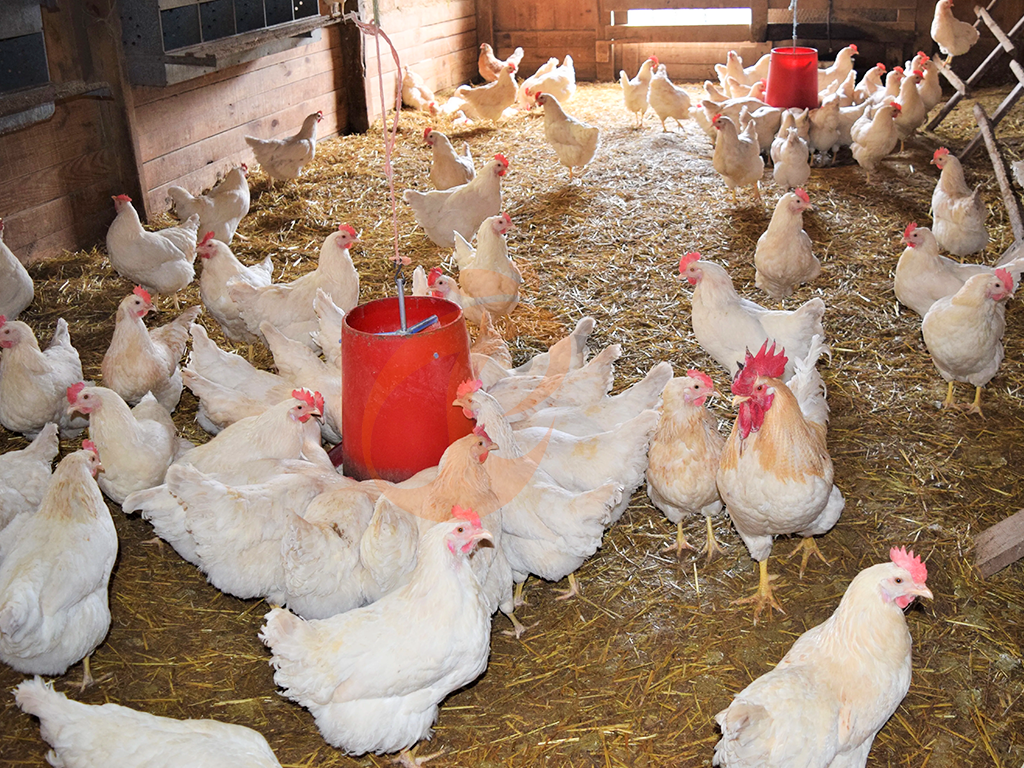
5. للاستقبال / رقم WhatsApp: +8618830120193اقرأ المزيد مقدمة عن نظام التربية الحرة للدجاج البياض وإنتاج البيض وتحليل التكاليف1. تضمن تربية الدجاج البياض في أنظمة الطليق إنتاج البيض الطبيعي
2. تحمي الملاجئ المصنوعة من الفولاذ المجلفن الطيور من الظروف الجوية القاسية
3. يتيح الوصول إلى المراعي للدجاجات ممارسة سلوك البحث الطبيعي عن الغذاء يوميًا
4. توفر المعالف الآلية حصصًا يومية دقيقة ومتوازنة من العلف
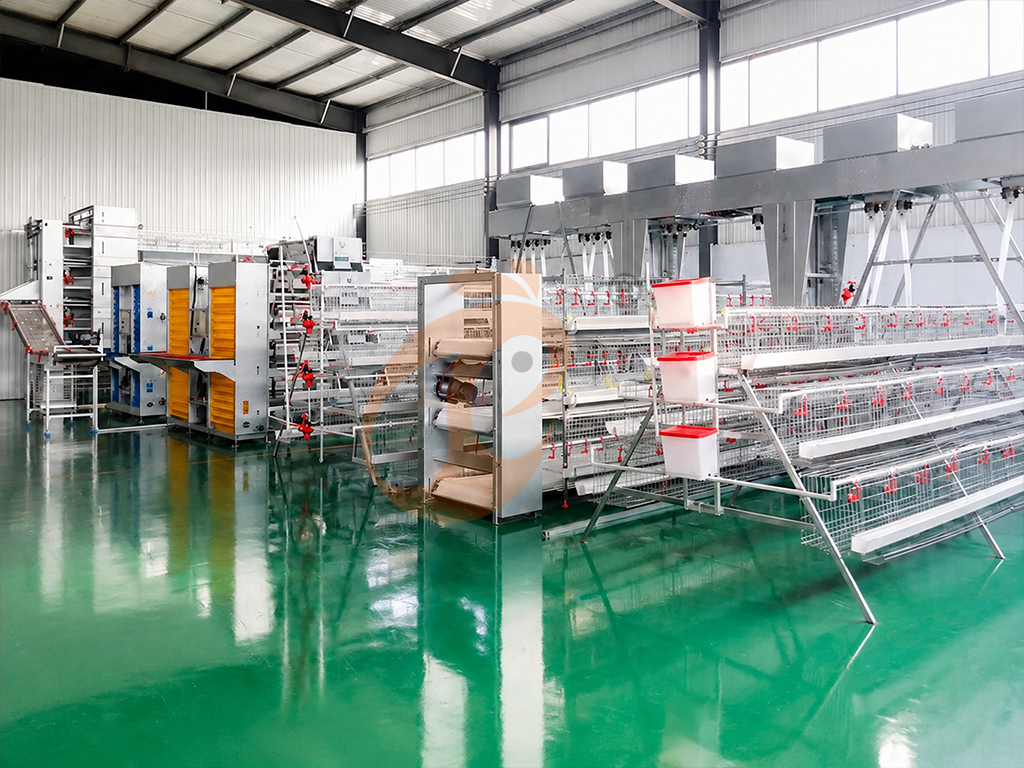
5. للاستقبال / رقم WhatsApp: +8618830120193اقرأ المزيد كيفية خفض تكاليف التشغيل باستخدام أنظمة أقفاص دجاج التسمين | 6 نصائح1. تنظم هياكل الأقفاص متعددة الطبقات أماكن إيواء دجاج التسمين وترتيب المعدات
2. تنقل أنظمة التغذية الآلية العلف من وحدات التخزين الكبيرة إلى خطوط التغذية
3. توزع أنظمة الشرب بالحلمات المياه عبر خطوط أنابيب منظمة الضغط
4. تنقل أحزمة إزالة السماد المخلفات المجمعة إلى نقاط التفريغ المحددة
5. الاستقبال / رقم WhatsApp: +8618830120193اقرأ المزيد نظام الفرشة العميقة للدجاج البياض | إنتاج البيض وتحليل التكاليف1. تدعم الفرشة الأرضية سلوك الخدش والاستحمام بالغبار بشكل طبيعي
2. يساعد تصميم التهوية على التحكم في الحرارة والرطوبة والملوثات المحمولة جوًا
3. توزّع معدات التغذية الأعلاف المُحضّرة في مناطق التغذية المحددة
4. توفّر مساقي الحلمات وصولًا منضبطًا إلى مياه الشرب العذبة
5. للاستقبال / رقم WhatsApp: +8618830120193اقرأ المزيد كيفية خفض تكاليف التشغيل باستخدام أنظمة أقفاص البطاريات للدجاج البياض | 6 نصائح1. التجميع الهيكلي: تدعم هياكل الأقفاص المصنوعة من الفولاذ المجلفن تركيب مرافق إيواء الدواجن والمعدات المتكاملة
2. توزيع العلف: تنقل الناقلات الأوتوماتيكية العلف من صوامع التخزين إلى أحواض صفوف الأقفاص
3. إمداد المياه: توفر المشارب ذات الحلمات ومنظمات الضغط والمرشحات توزيعًا مضبوطًا للمياه
4. نقل البيض: تنقل الناقلات الطولية والعرضية البيض إلى مرافق التجميع المركزية
5. الاستقبال / رقم WhatsApp: +8618830120193اقرأ المزيد مطاحن الأعلاف المستمرة مقابل مطاحن الدفعات | أيهما يناسب مزارع الدجاج؟1. تمرّ عملية إنتاج الأعلاف عادةً بمراحل الاستلام والطحن والوزن والخلط والتحبيب والتبريد والغربلة والتخزين
2. تؤثر خصائص المكونات في إعدادات الطحن ومتطلبات الخلط ومعايير التهيئة وتكوين الحبيبات
3. تركّز الأنظمة المستمرة على استقرار حركة المواد عبر معدات معالجة منسّقة
4. تنظّم الأنظمة الدفعية الإنتاج ضمن دورات محددة للوزن والخلط وتغيير التركيبة
5. الاستقبال / رقم WhatsApp: +8618830120193اقرأ المزيد كيفية زيادة إنتاجية آلة تصنيع الحبيبات | 5 طرق مجرّبة1. يؤثر قطر الحبيبات في متطلبات الضغط والتعامل مع العلف النهائي.
2. يساعد التكييف على توزيع الرطوبة قبل الضغط ويحسّن اتساق العملية.
3. يثبّت التبريد الحبيبات النهائية قبل الغربلة والتعبئة.
4. تفصل الغربلة الحبيبات الناعمة وتحافظ على اتساق خط التعبئة.
5. للاستقبال / رقم WhatsApp: +8618830120193اقرأ المزيد كيفية تخطيط ميزانية معدات مزرعة الدواجن | 6 عوامل رئيسية1. تحدد سعة المزرعة كميات المعدات وتكوينها
2. تساعد المواصفات الفنية على إجراء مقارنات دقيقة بين عروض الموردين
3. ينبغي إدراج تكاليف التركيب قبل الموافقة على المشروع
4. يساعد تخطيط الصيانة على التحكم في نفقات التشغيل على المدى الطويل
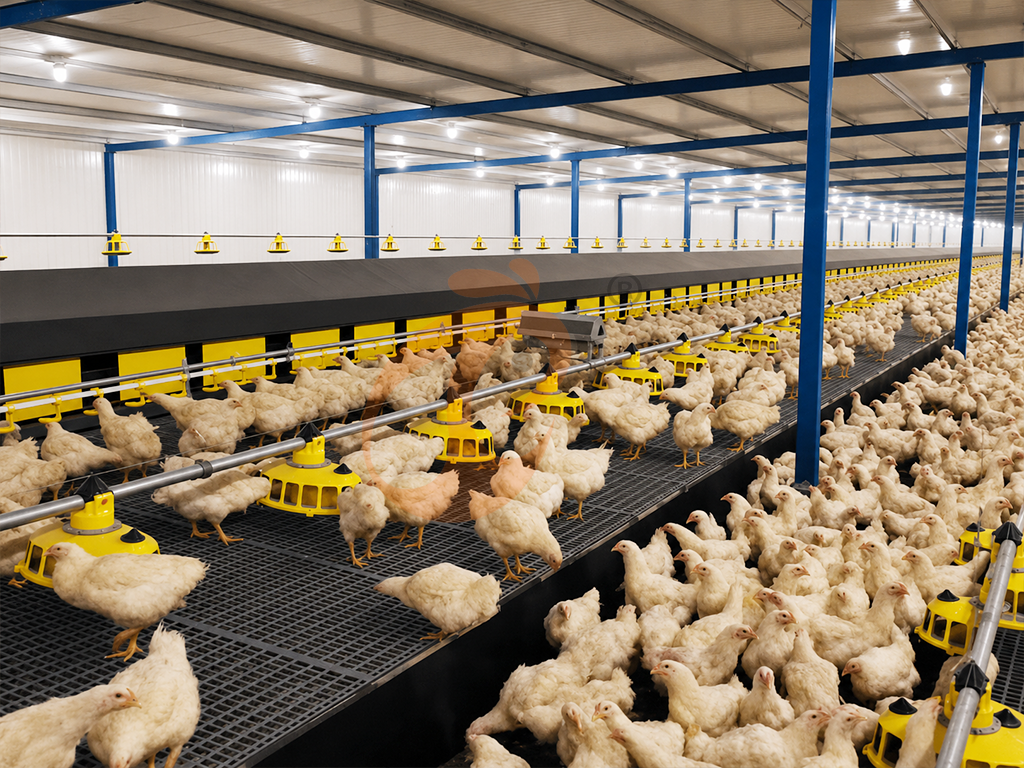
5. للاستفسارات عبر WhatsApp: +8618830120193اقرأ المزيد نظام الفرشة العميقة لدجاج اللاحم | 7 فحوصات يومية1. تعتمد إدارة الفرشة العميقة على التنسيق بين التهوية ومعدات الشرب
2. تربط عمليات الفحص اليومية بين ظروف الحظيرة القابلة للقياس وتشغيل المعدات
3. ينبغي أن تتبع إجراءات التغذية والمياه وتدفق الهواء والأتمتة إجراءات متزامنة
4. ينبغي أن تتوافق مواصفات المعدات مع أبعاد المبنى وسعة القطيع
5. للاستقبال / رقم WhatsApp: +8618830120193اقرأ المزيد 5 طرق عملية لتقليل الضوضاء الصادرة من مغذيات Pralson1. تربط مغذيات Pralson توصيل العلف بمتطلبات المحاذاة الميكانيكية
2. تتطلب عنابر الدواجن تنسيق ترتيبات التعليق ونظام الدفع
3. ينبغي أن يستند فحص الضوضاء إلى نقاط تحقق ميكانيكية قابلة للقياس
4. يعتمد أداء التغذية على توافق مكونات النظام
5. الاستقبال / رقم WhatsApp: +8618830120193اقرأ المزيد قفص البطاريات من النوع A للدجاج البياض مقابل دجاج التسمين: أي نظام أكثر ملاءمة؟1. يتطلب قفص البطاريات من النوع A تخطيطًا متناسقًا للهيكل والمرافق
2. تحدد مخططات إسكان الدجاج البياض مواضع المعدات وإمكانية الوصول لأعمال الصيانة
3. تقلل التغذية الآلية من الأعمال اليدوية المتكررة لتوزيع العلف
4. تتطلب معالجة السماد واجهات مناسبة للناقلات أو الكاشطات
5. الاستقبال / رقم WhatsApp: +8618830120193اقرأ المزيد أقفاص بطاريات الدجاج من النوع H المستوردة مقابل المحلية: أيهما يقدم جودة أفضل؟1. تتطلب مخططات أقفاص الدجاج البطارية من النوع H تنسيق أبعاد العنبر
2. تدعم هياكل الأقفاص متعددة الطوابق الإنتاج التجاري المنظم للدجاج البياض
3. تربط الأنظمة الآلية بين التغذية والشرب وإزالة السماد والتعامل مع البيض
4. تحدد الرسومات الهندسية نقاط الربط قبل بدء تصنيع المعدات
5. للاستقبال / رقم WhatsApp: +8618830120193اقرأ المزيد شارب شرب بالحلمة مع كوب أم بدونه | أيهما يقلل انسكاب الماء؟1. تحافظ أنظمة الشرب بالحلمات على إتاحة المياه باستمرار خلال مراحل تربية الدواجن
2. تساعد تصميمات الأكواب على التحكم بفعالية في الرطوبة حول نقاط الشرب
3. تؤثر مخططات المزرعة في اختيار المعدات وطرق تركيبها
4. تتطلب فئات الطيور المختلفة تكوينات مناسبة لأنظمة الشرب
5. للاستقبال / رقم WhatsApp: +8618830120193اقرأ المزيد أقفاص دجاج التسمين للبيع | 5 عوامل أساسية يجب على المشترين التحقق منها1. تتطلب مخططات الأقفاص أبعادًا دقيقة للمبنى قبل البدء في إعداد المعدات
2. ينبغي أن تتوافق دوائر التغذية مع أطوال الصفوف وممرات الخدمة
3. تحتاج أنظمة المياه إلى الترشيح والتحكم في الضغط قبل التشغيل
4. تتطلب نواقل السماد نقاط فحص يسهل الوصول إليها لإجراء الصيانة الدورية
5. الاستقبال / رقم WhatsApp: +8618830120193اقرأ المزيد




بحث
المنتجات الساخنة
 المقر الرئيسي في هونغ كونغ يقدم حلول مزارع الدواجن وفقًا للمعايير الأوروبية، ويصنع معدات مزارع الدواجن1. تواصل مستمر مع الاتحاد الأوروبي والولايات المتحدة
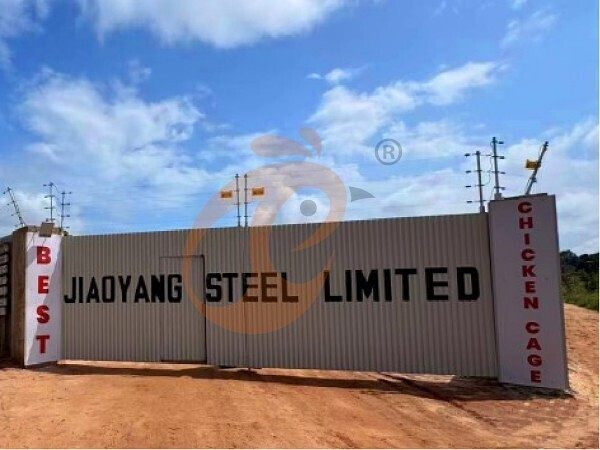
2. فروع الشركة والمصانع في الصين ونيجيريا وإثيوبيا وتنزانيا
3. جودة المنتجات مصممة خصيصًا لمزارع الدواجن المحلية
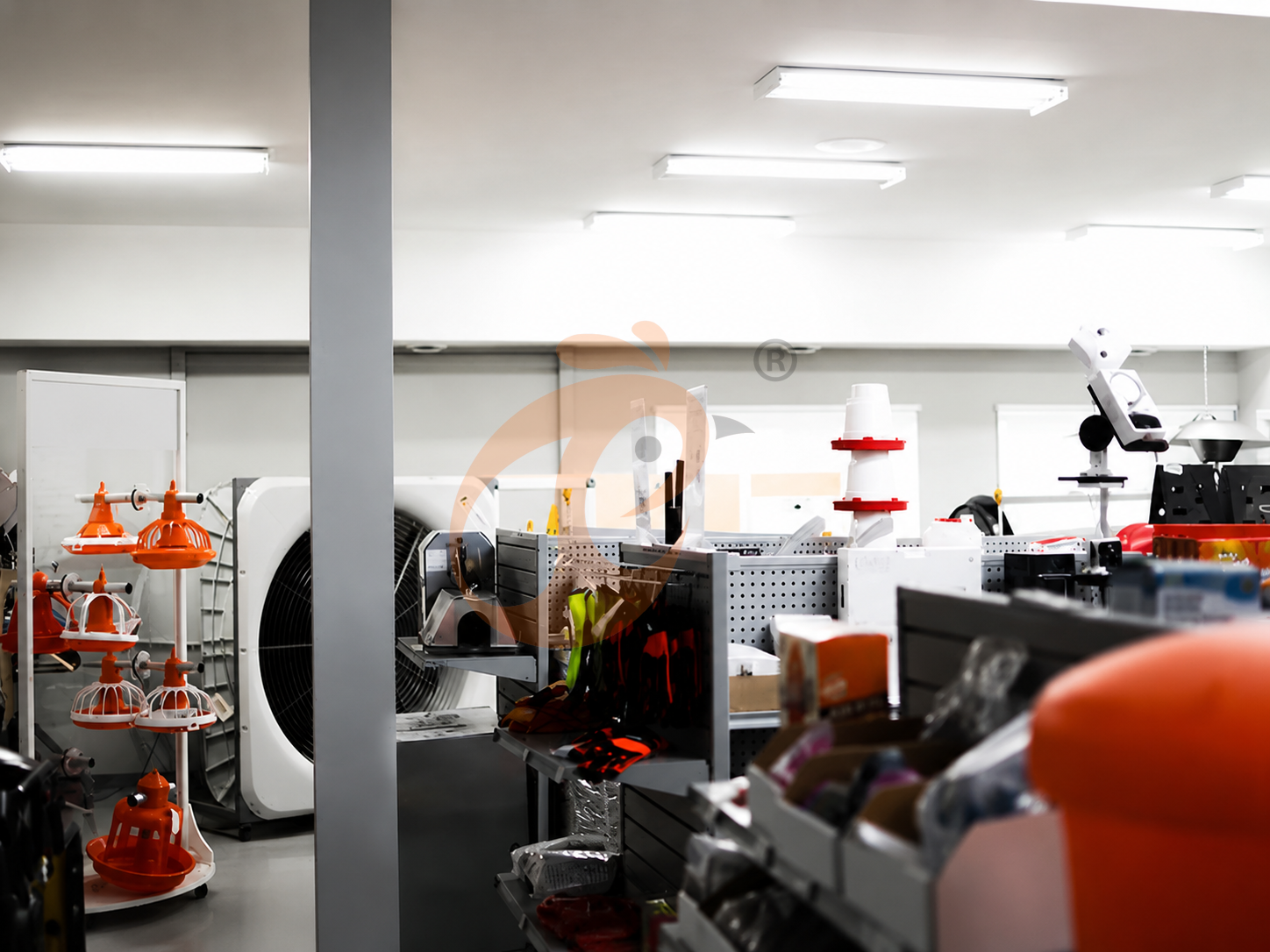
4. مخزون من أقفاص الدواجن ومعدات مزارع الدواجن متاح للبيع
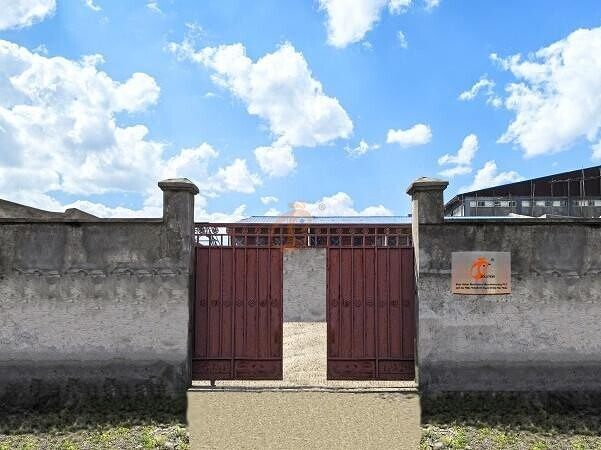
5. استقبال عبر الإنترنت على مدار 24 ساعة عبر واتساب رقم: +8618830120193، اتصل بنا للحصول على معلومات كاملةاقرأ المزيد تقدم الفرع الصيني خطة عمل لمزرعة الدواجن، وتصنيع معدات مزرعة الدواجن1. العنوان: شقة/غرفة 2416، الطابق 24، مبنى رونكسينغ، شارع يوي نان، مدينة شيجياتشوانغ، مقاطعة خبي، الصين
2. مصنع معدات أقفاص الدواجن ومزارع الدواجن ومخزون للبيع
3. مخصص لمزارع الدواجن المحلية
4. الجودة والتصميم قائم على المعايير الأوروبية
5. استقبال عبر الإنترنت على مدار 24 ساعة رقم واتساب: +8618830120193اقرأ المزيد فرع نيجيريا يقدم خطة عمل مزرعة دواجن، تصنيع معدات مزرعة دواجن1. العنوان: بعد مكتب Sinoma، 200 متر بالقرب من محطة دانكو للوقود، طريق لاغوس/إيبادان السريع، ولاية لاغوس، نيجيريا
2. مصنع أقفاص الدواجن ومعدات مزارع الدواجن والمخزون المعروض للبيع
3. مخصص لمزارع الدواجن النيجيرية
4. الجودة والتصميم تعتمد على المعايير الأوروبية
5. استقبال عبر الإنترنت على مدار 24 ساعة رقم الواتساب: +8618830120193اقرأ المزيد
اتصل بنا
هاتف (رقم واتساب):
البريد الإلكتروني:
المكتب 1 (هونغ كونغ):
شقة/غرفة أ، الطابق 15، مبنى مانلي كوميرشال، 15 شارع سوي، مونج كوك
المكتب 2 (الصين الرئيسية):
شقة/غرفة 2416، الطابق 24، مبنى رونكسينغ، شارع يوي نان، مدينة شيجياتشوانغ، مقاطعة هيبي