



أخبار
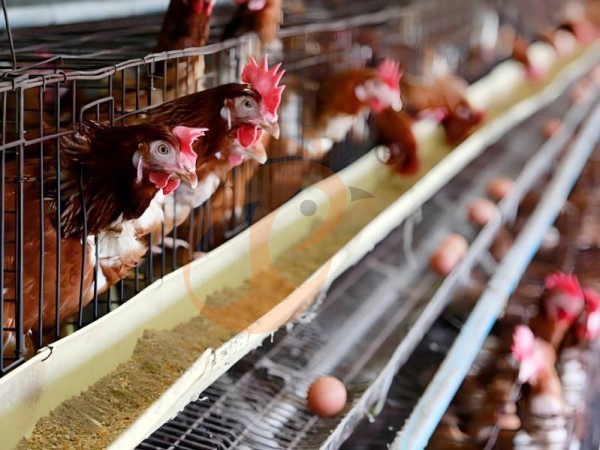
Layer chicken cage systems improve egg collection efficiency and reduce commercial poultry farm operating losses.
Automatic layer cages, poultry farming equipment, and egg collection systems directly influence eggshell protection performance during daily production cycles.
Scientific cage floor engineering, balanced mineral nutrition, controlled ventilation, and stable transportation management reduce egg cracking rates inside modern poultry houses.
Commercial poultry farms operating 50,000 laying hens can lose more than $38,000 annually from preventable shell damage. EU standard reference only.
This article explains cage engineering standards, eggshell strengthening methods, conveyor optimization, stocking density control, environmental management, and transportation protection technologies for modern layer farming operations.
Get professional poultry farm construction guidance, equipment selection solutions, and the latest price lists, whatsApp to +8618830120193, click to learn more:
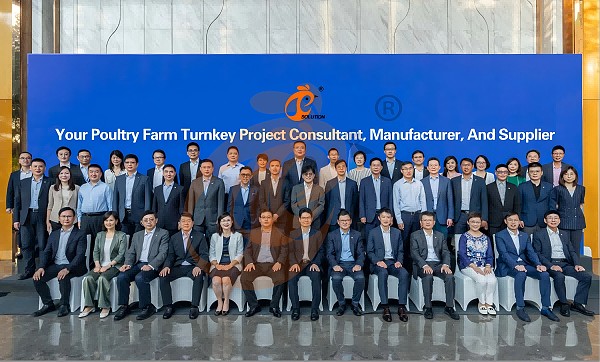
Understanding The Main Causes Of Egg Breakage
Egg breakage inside commercial poultry farms usually originates from mechanical collision, shell weakness, improper cage engineering, or unstable transportation conditions.
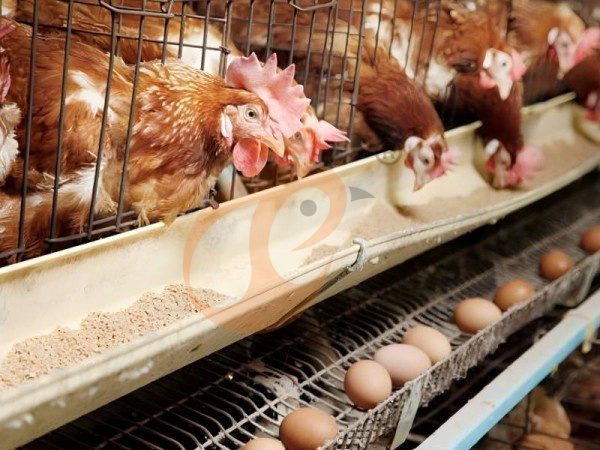
Modern poultry farming equipment minimizes shell damage through controlled rolling distance and automatic egg transfer systems.
Data is for reference only.Swipe horizontally to view full table.
Precise operational control significantly improves egg protection efficiency inside automatic layer cage systems.
Optimize Cage Floor Slope Angle
Cage floor slope angle determines egg rolling speed and collision pressure inside layer chicken cages.
Eggs rolling too rapidly frequently strike front cage wire and create shell fractures during daily production cycles.
Galvanized wire elasticity and cage floor spacing also influence rolling stability.
Data is for reference only.Swipe horizontally to view full table.
Stable egg movement reduces shell stress during high-capacity commercial poultry production.
Improve Eggshell Strength Through Precision Nutrition
Eggshell quality directly determines resistance against external pressure during rolling and transportation processes.
Commercial layer feed formulations require balanced calcium, phosphorus, vitamin D3, and trace mineral ratios.
Layer hens generally require calcium concentrations between 3.8% and 4.2% during peak laying periods.
Large calcium particles above 2 mm improve nighttime mineral absorption efficiency and strengthen shell structure.
Data is for reference only.Swipe horizontally to view full table.
Balanced mineral nutrition reduces micro-crack formation inside modern egg collection systems.
Poultry Science Corner: Why Older Hens Produce More Fragile Eggs
Hen age strongly influences shell thickness and eggshell density.
Young laying hens between 24 and 40 weeks generally produce smaller eggs with thicker shell structures.
Egg size gradually increases after 50 weeks while shell deposition efficiency decreases.
Commercial poultry farms operating older flocks usually require slower conveyor movement and more frequent egg collection intervals.
Scientific production monitoring shows shell thickness commonly decreases from 0.40 mm to 0.32 mm after 70 weeks.
Data is for reference only.Swipe horizontally to view full table.
Automatic egg collection systems reduce shell pressure during late-stage laying cycles.
Maintain Proper Bird Density Inside Layer Cages
Excessive cage density increases shell collision frequency and unstable bird movement inside layer chicken cages.
Commercial poultry engineering standards carefully balance cage dimensions and stocking quantity.
Overcrowded cages increase stepping damage before eggs reach front collection trays.
Modern poultry farming equipment optimizes bird distribution for stable laying performance.
Data is for reference only.Swipe horizontally to view full table.
Optimized cage density improves egg rolling efficiency and production consistency.
Upgrade Automatic Egg Collection Systems
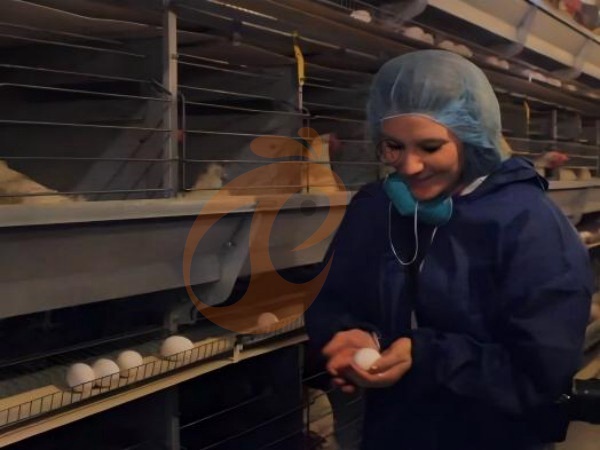
Automatic egg collection systems reduce shell damage caused by manual handling operations.
Modern egg collection belts use stable rolling movement and synchronized conveyor transfer technology.
Soft-start motors and controlled conveyor speed reduce sudden shell impact pressure.
Commercial poultry farms using centralized egg collection lines generally achieve lower breakage percentages than manual collection systems.
Data is for reference only.Swipe horizontally to view full table.
Automatic layer cages improve labor efficiency and shell protection simultaneously.
Maintain Stable Poultry House Environment
Environmental stability directly affects shell quality and laying consistency.
Heat stress reduces feed intake, calcium metabolism efficiency, and shell formation stability.
Tunnel ventilation systems and evaporative cooling equipment improve temperature management inside poultry houses.
Commercial poultry farming equipment commonly maintains airflow speeds between 2 and 3 m/s during summer production periods.
Data is for reference only.Swipe horizontally to view full table.
Stable environmental control improves shell consistency throughout commercial production cycles.
Poultry Science Corner: Heat Stress And Eggshell Quality
Heat stress remains one of the most underestimated causes of egg cracking inside commercial poultry farms.
Environmental temperatures above 30°C force hens to increase respiratory frequency for body heat regulation.
Excessive panting reduces blood carbon dioxide concentration and interferes with calcium carbonate deposition during shell formation.
Scientific research data shows shell thickness can decline by 5%–8% during prolonged heat stress conditions.
Feed intake reductions between 8% and 15% also decrease mineral consumption efficiency.
Commercial farms therefore increase cooling efficiency and ventilation capacity during high-temperature seasons.
Reduce Transportation And Handling Shock
Transportation vibration frequently causes invisible shell fractures after egg collection procedures.
Commercial poultry farms use stable tray stacking systems and controlled loading methods to minimize shell pressure during transportation.
Vehicle vibration intensity significantly influences shell damage during long-distance logistics operations.
Data is for reference only.Swipe horizontally to view full table.
Careful transportation management protects shell integrity before retail distribution.
Daily Cage Maintenance Is Essential
Automatic layer cages require regular inspection and preventive maintenance for long-term production stability.
Damaged wire mesh, unstable egg trays, and loose conveyor alignment increase shell collision frequency during daily operation.
Routine technical inspection schedules help poultry farms reduce unexpected mechanical failures.
Data is for reference only.Swipe horizontally to view full table.
Preventive maintenance extends poultry equipment service life and improves operational reliability.
Economic Benefits Of Lower Egg Breakage
Reducing egg breakage significantly improves poultry farm profitability and marketable egg volume.
A commercial poultry farm operating 50,000 laying hens at 92% production generates approximately 46,000 eggs daily.
Reducing shell damage from 4.5% to 1.8% saves approximately 1,242 eggs every day.
Annual recovery value can exceed $62,000 depending on regional egg market prices.
European union standard reference only.
Data is for reference only.Swipe horizontally to view full table.
Small operational improvements generate substantial long-term economic returns.
Choosing High-Quality Layer Chicken Cage Systems
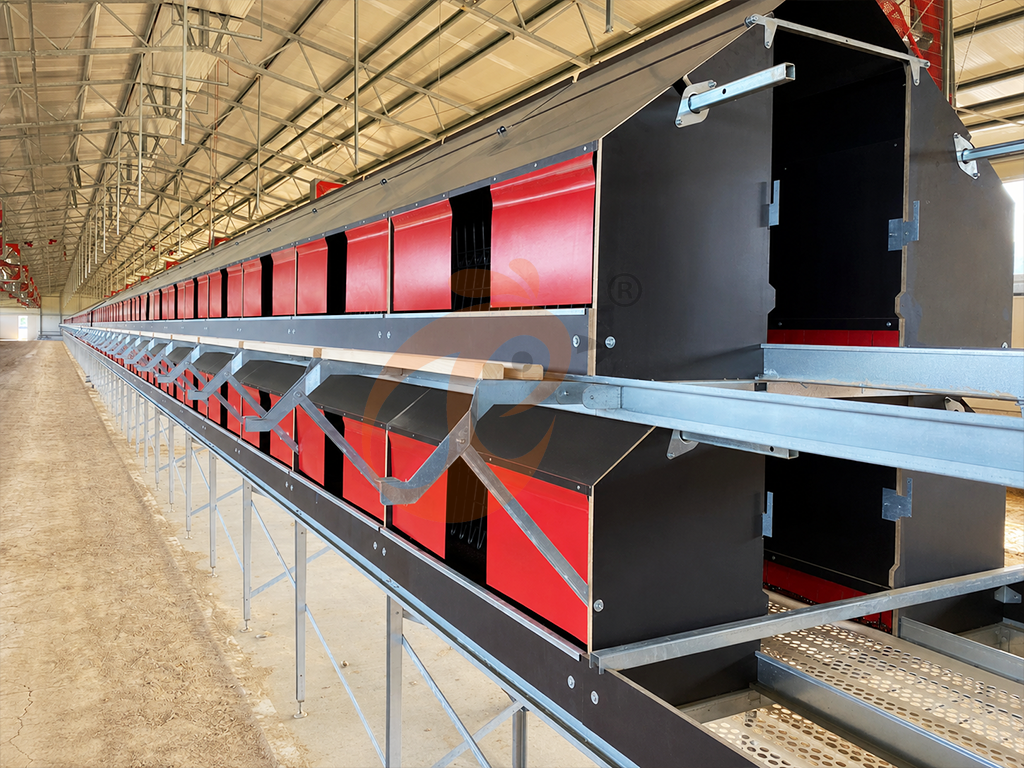
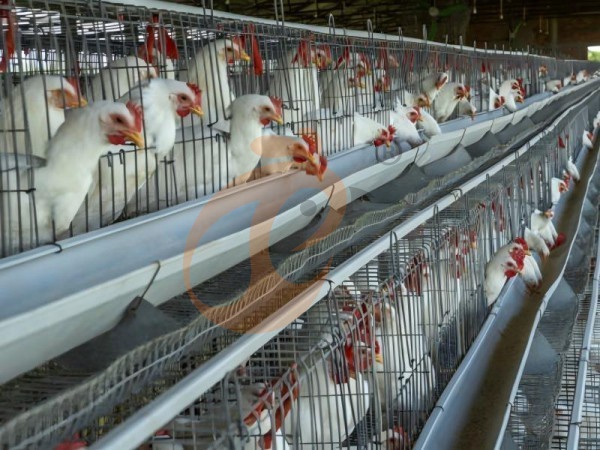
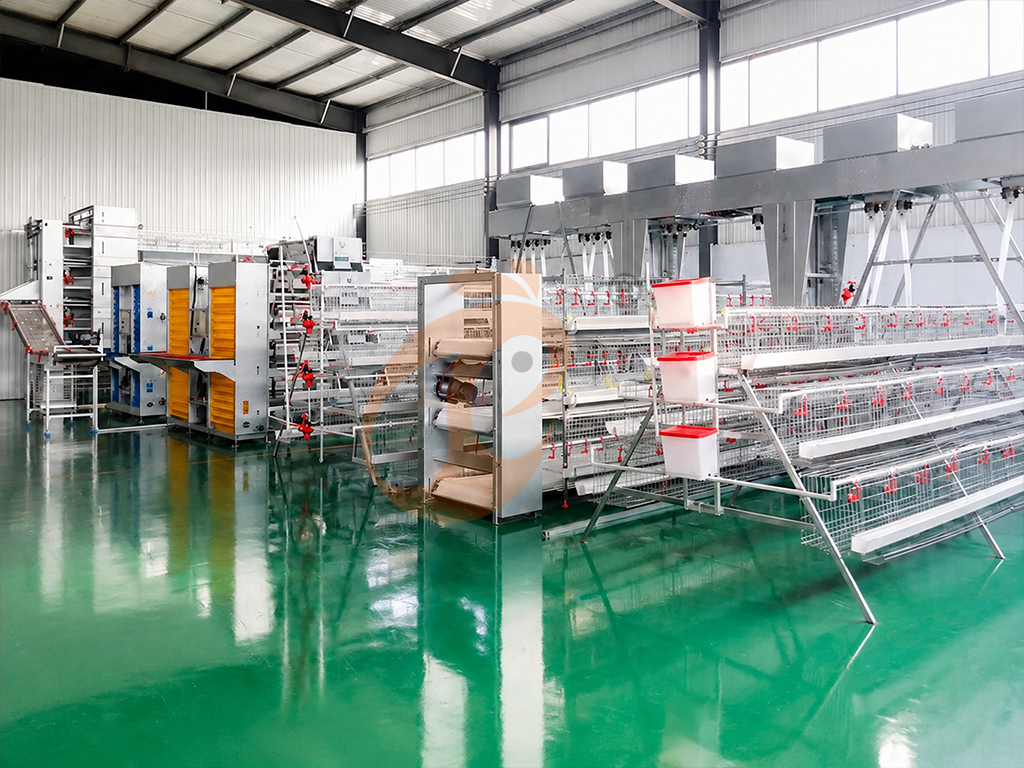
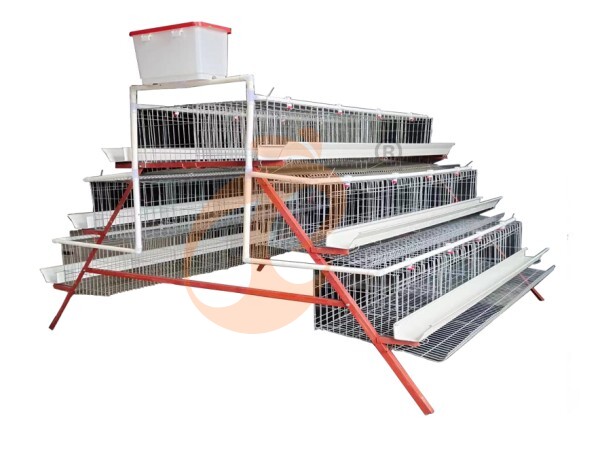
Modern layer chicken cages combine structural engineering, automated egg collection, feeding technology, and manure removal systems.
Hot-dip galvanized steel structure improves corrosion resistance and production lifespan inside high-humidity poultry environments.
Precision cage floor engineering reduces egg collision pressure during rolling operations.
Automatic poultry farming equipment also improves labor efficiency and flock management consistency.
Data is for reference only.Swipe horizontally to view full table.
High-quality layer cage systems reduce long-term maintenance costs and improve egg protection efficiency.
Frequently Asked Questions
Q1: How often should commercial poultry farms collect eggs?
Commercial poultry farms generally collect eggs every 2 to 3 hours during peak laying periods.
Frequent collection reduces cage accumulation pressure and minimizes shell collision risk inside layer chicken cages.
Automatic egg collection systems improve transportation stability and lower labor intensity during high-capacity production operations.
Q2: What is the best temperature range for strong eggshell production?
Commercial layer hens generally maintain stronger eggshell quality between 18°C and 24°C.
Stable environmental control improves feed intake, calcium metabolism, and shell deposition efficiency.
Tunnel ventilation systems and evaporative cooling equipment are widely used for temperature stabilization inside modern poultry houses.
Q3: Why do older laying hens produce more cracked eggs?
Older hens usually produce larger eggs with thinner shells because shell deposition efficiency gradually declines after long laying cycles.
Commercial poultry farms therefore strengthen mineral nutrition, slow conveyor speed, and increase egg collection frequency during late-stage flock production periods.
Taiyu (HK) Group - One Of China Largest Layer Chicken Cage Manufacturer
Advanced layer chicken cage systems support efficient automatic egg collection operations worldwide.
Global factory direct poultry equipment supply reduces commercial poultry project investment costs.
Professional poultry cage engineering supports high-capacity commercial layer farming production requirements.
Complete Turn-key poultry farm projects include ventilation, feeding, manure, and drinking systems.
Long-service-life galvanized steel poultry farming equipment supports modern intensive poultry production.
Contact Us To Received Your Customized Poultry Farm Plan
Headquarters And Branchs
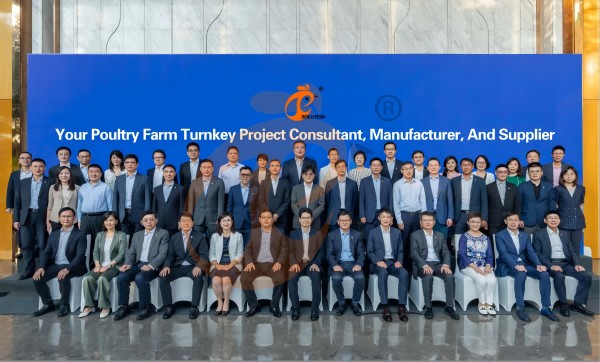
Hong Kong Headquarter Management Team
Hong Kong Headquarter Taiyu Industrial Group CO., LTD
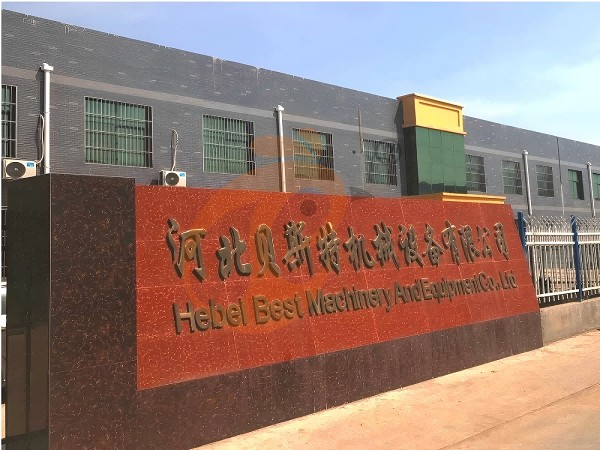
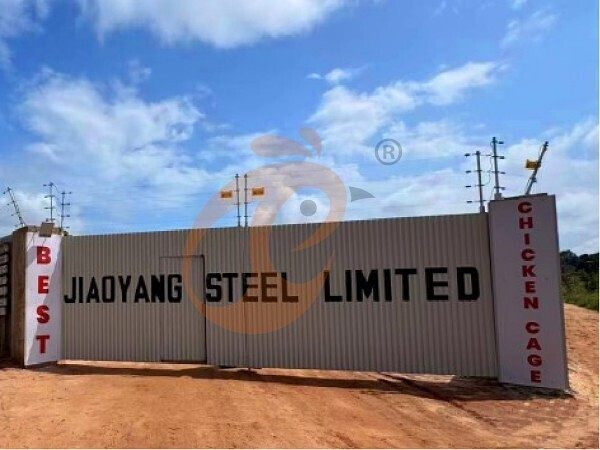
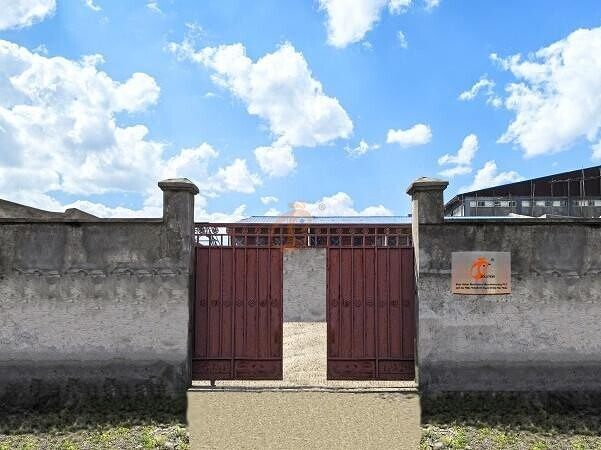
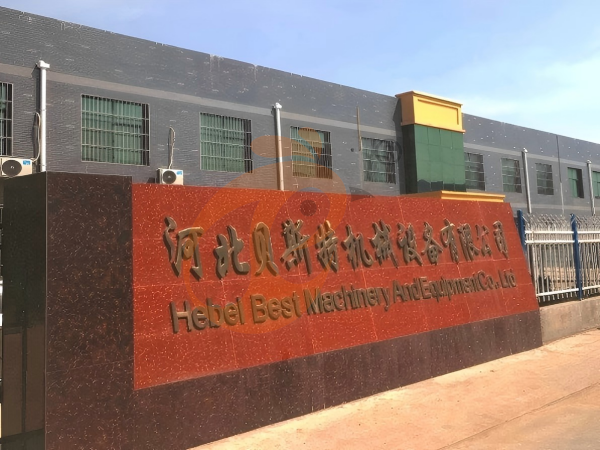
China Hebei Best Machinery And Equipment CO., LTD
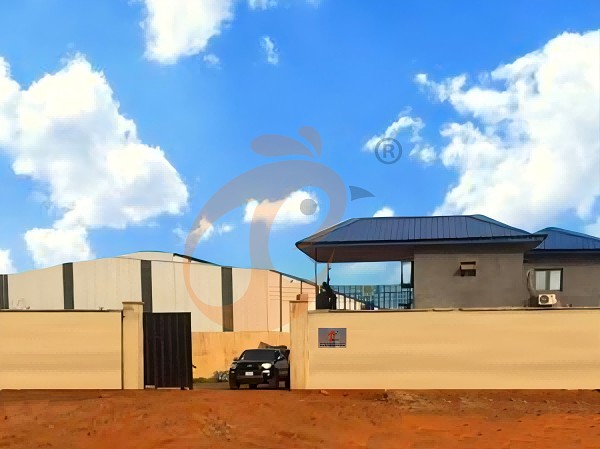
Nigeria Vanke Machinery And Equipment CO., LTD
Tanzania Best Machinery And Equipment CO., LTD
Ethiopia Best Hebei Machinery Manufacturing PLC
Reception /24 WhatsApp NO. : +8618830120193
الأسئلة الشائعة
توصيات المنتج
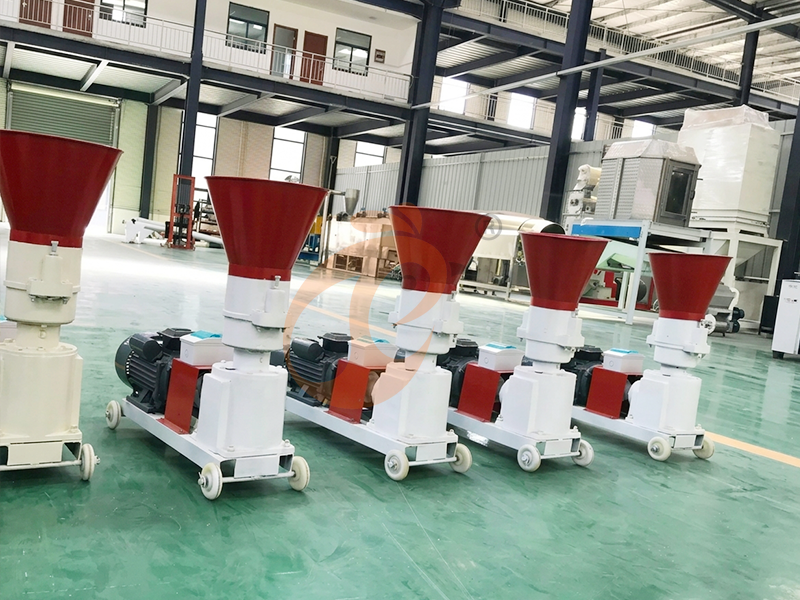
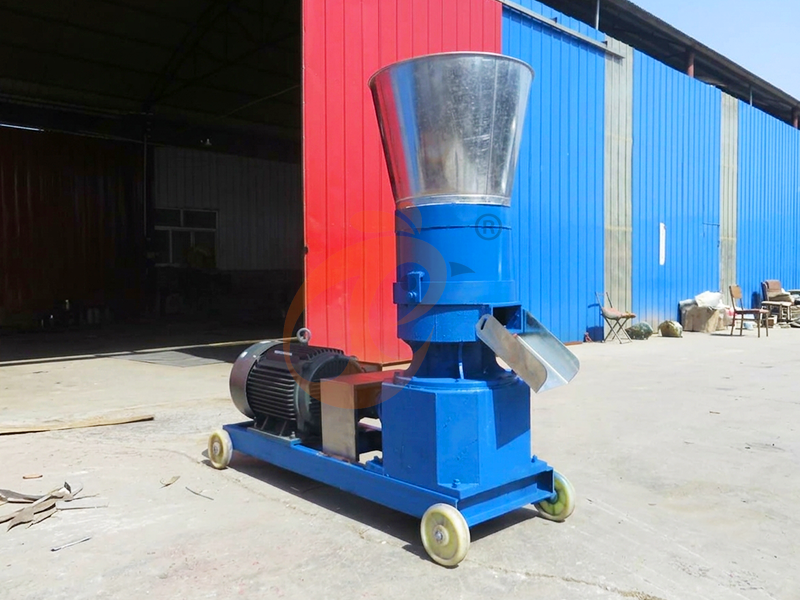
 آلة تكوير لمختلف أنواع الأعلاف | 5 تطبيقات متعددة الاستخدامات1. تدعم آلات تكوير الأعلاف إنتاجًا متعدد الاستخدامات عبر 5 فئات من الأعلاف
2. يساعد اختيار القالب المناسب على تحقيق أبعاد الحبيبات المحددة
3. تحسّن معدات التحضير المتكاملة اتساق مناولة المواد
4. يدعم التبريد والغربلة ضبط جودة الحبيبات النهائية
5. الاستقبال / رقم WhatsApp: +8618830120193اقرأ المزيد عائد الاستثمار في معدات الدواجن التجارية | 5 طرق مجرّبة لتحسين الأرباح1. تساعد معدات الدواجن التجارية على جعل عمليات التغذية والشرب أكثر انتظامًا في المزارع الحديثة
2. تساعد أنظمة تغذية الدواجن الأوتوماتيكية على تنظيم إيصال العلف من خلال النقل والتوزيع المنسقين
3. تساعد مراوح تهوية الدواجن على التحكم في تدفق الهواء في ظل تغير الظروف الموسمية
4. يربط التخطيط المتكامل للمعدات 3 أنظمة أساسية لإدارة المزرعة بصورة عملية
5. الاستقبال / رقم WhatsApp: +8618830120193اقرأ المزيد سعر نظام التربية الأرضية للدجاج البياض | 6 عوامل رئيسية للتكلفة1. تنسّق معدات التربية الأرضية التغذية والسقاية والتعشيش والتهوية وجمع البيض
2. تدعم الأنظمة الآلية سير عمل منتظمًا في بيئات إنتاج الدواجن التجارية
3. تحسّن التصاميم الهندسية سهولة الوصول لأغراض الفحص والتنظيف والصيانة الدورية
4. تساعد المواصفات الفنية في اختيار المعدات ودمجها ضمن المشروع
5. للاستقبال / رقم WhatsApp: +8618830120193اقرأ المزيد أقفاص بطاريات من النوع A مع حزام أو مكشطة لإزالة الروث: 5 نصائح عملية للاختيار1. تدعم أقفاص البطاريات من النوع A أنظمة إيواء منظمة للدجاج البياض التجاري
2. تنقل أحزمة إزالة السماد المخلفات بكفاءة إلى نقاط التجميع المحددة
3. تزيل الكاشطات السماد المتراكم عبر قنوات التجميع المتوافقة
4. تساعد عمليات الفحص الدورية في الحفاظ على أداء المعدات وموثوقية التشغيل
5. للاستقبال / رقم WhatsApp: +8618830120193اقرأ المزيد كيفية تخصيص أقفاص الدجاج من النوع H بنظام البطاريات لمزرعة الدواجن لديك؟1. أقفاص من النوع H تدمج أنظمة التغذية والشرب وإزالة الروث
2. تحدد أبعاد الأقفاص تخطيط الخلايا وسعة الطيور
3. تعتمد متطلبات التهوية على كثافة التربية والمناخ
4. يربط نظام جمع البيض الآلي الأحزمة بمعدات النقل
5. الاستقبال / رقم WhatsApp: +8618830120193اقرأ المزيد مطحنة الأعلاف أم التحبيب | أيهما يحسّن جودة العلف؟1. يحدد الطحن توزيع أحجام جزيئات المكونات قبل الخلط
2. يوزع الخلط العناصر الغذائية المحددة في التركيبة على كل دفعة
3. يهيئ التكييف مواد العلف لتشكيل الحبيبات
4. يثبت التبريد الحبيبات قبل التخزين والتعبئة والتغليف
5. الاستقبال / رقم WhatsApp: +8618830120193اقرأ المزيد كيفية اختيار نوع قالب ماكينة تكوير الأعلاف | 6 نصائح عملية1. يحدد قطر فتحة القالب الحجم الاسمي للحبيبات ويؤثر في تدفق المواد
2. تعتمد نسبة الضغط على الطول الفعال للفتحة وقطرها
3. تؤثر محاذاة الأسطوانات وتهيئة العلف في استقرار الإنتاج
4. يساعد الفحص الدوري على اكتشاف الانسداد والتآكل وانخفاض الإنتاج
5. الاستقبال / رقم WhatsApp: +8618830120193اقرأ المزيد كيفية اختيار معدات دواجن بأسعار معقولة | 6 نصائح عملية1. تحدد أبعاد المزرعة تخطيط المعدات وسعتها المناسبة
2. يؤثر حجم القطيع في متطلبات أنظمة التغذية والشرب
3. تأخذ حسابات التهوية في الاعتبار تدفق الهواء وظروف درجة الحرارة
4. تساعد الصيانة الدورية في الحفاظ على أداء المعدات وموثوقيتها
5. الاستقبال / رقم WhatsApp: +8618830120193اقرأ المزيد تربية الدجاج البياض على الأرض | 5 نصائح أساسية لإنتاج البيض1. تجمع أنظمة التربية الأرضية بين حركة الطيور وتصميمات إيواء منظمة
2. توزّع معدات التغذية الآلية العلف على خطوط محددة
3. تتيح أنظمة الشرب الوصول إلى مياه نظيفة مع مراقبتها
4. تنقل سيور البيض البيضَ المجموع إلى محطات الفحص
5. الاستقبال / رقم WhatsApp: +8618830120193اقرأ المزيد تكلفة تربية الدجاج البياض في أنظمة التربية الحرة | 5 عوامل رئيسية للميزانية1. تتطلب أنظمة تربية الدجاج البياض في المراعي المفتوحة تنسيق معدات التغذية والشرب
2. تعتمد سعة التهوية على المناخ وأبعاد المبنى
3. يجب أن تتوافق ناقلات البيض مع معدل الإنتاج المتوقع
4. يجب التحقق من مواصفات المعدات من الشركة المصنّعة قبل التركيب
5. الاستقبال / رقم WhatsApp: +8618830120193اقرأ المزيد تكلفة تربية الدجاج البياض بنظام الفرشة العميقة | 5 عوامل للميزانية1. تؤثر أبعاد العنبر في مواضع المعالف وتصميم التهوية
2. يعتمد توزيع العلف على سعة خط التغذية وإمكانية وصول الطيور إليه
3. يتطلب ضغط مياه الشرب إجراء فحوصات تشغيلية منتظمة
4. يعتمد أداء التهوية على تدفق الهواء والضغط الساكن
5. رقم الاستقبال /WhatsApp: +8618830120193اقرأ المزيد المعدن أم البلاستيك في لوالب نقل الأعلاف؟ أيهما أكثر متانة؟1. يعتمد أداء لولب النقل المعدني على السبيكة المختارة وحمل التشغيل
2. تعتمد ملاءمة لولب النقل البلاستيكي على درجة البوليمر وحدود درجة الحرارة
3. تختلف سعة الناقل باختلاف خصائص العلف وتخطيط التركيب
4. تتطلب أنظمة التغذية الآلية محركات ومكونات متوافقة
5. الاستقبال / رقم WhatsApp: +8618830120193اقرأ المزيد 5 نصائح أساسية لسلامة مشغّلي ماكينة تصنيع الحبيبات1. افحص الحواجز والتوصيلات الكهربائية قبل تشغيل آلة تصنيع الحبيبات
2. اتبع إجراءات العزل المعتمدة قبل التنظيف أو الصيانة
3. طابق تركيبة العلف مع مواصفات آلة تصنيع الحبيبات المختارة
4. راقب حالة المعدات ووثّق الملاحظات غير الطبيعية أثناء التشغيل
5. الاستقبال / رقم WhatsApp: +8618830120193اقرأ المزيد مورد أقفاص دجاج التسمين | 6 معايير عملية للتقييم1. تحدد أبعاد الأقفاص ترتيب المعدات والسعة القابلة للاستخدام في الحظائر
2. تؤثر مواد الإطارات ومعالجات الأسطح في مقاومة التآكل ومتطلبات الصيانة
3. توزع أنظمة التغذية العلف في أقسام الأقفاص المحددة
4. تتطلب خطوط الشرب تنظيمًا مناسبًا للضغط وفحصًا دوريًا
5. للاستقبال / رقم WhatsApp: +8618830120193اقرأ المزيد مورد أقفاص البطاريات للدجاج البياض | 6 معايير عملية للتقييم1. تدعم تخطيطات أقفاص البطاريات التخطيط المنسق لمعدات الدواجن في مباني المزارع التجارية
2. يجب التحقق من أبعاد الأقفاص وتكوينات الطبقات بالرجوع إلى الرسومات الهندسية المعتمدة
3. تتطلب أنظمة التغذية والشرب وصلات متوافقة ومواصفات تشغيل مناسبة
4. يعتمد اختيار الناقل على أحمال المعدات وهندسة التركيب
5. للاستقبال / رقم WhatsApp: +8618830120193اقرأ المزيد كيفية ترقية مزارع البيض التقليدية باستخدام أنظمة الأقفاص البطارية للدجاج البياض | 5 خطوات1. تدعم أنظمة التغذية الآلية توزيع العلف بانتظام في جميع أنحاء عنابر الدواجن.
2. تساعد سيور جمع البيض على نقله إلى نقاط التجميع المركزية.
3. تدعم أنظمة إزالة الروث الإدارة الدورية لمخلفات عنابر الدواجن.
4. توفر أقفاص الدجاج البياض من النوع H ترتيبات منظمة للإنتاج التجاري للبيض.
5. الاستقبال / رقم WhatsApp: +8618830120193اقرأ المزيد كيفية تحديث المزارع التقليدية باستخدام أنظمة أقفاص دجاج التسمين | 5 خطوات1. حدّث المزارع التقليدية باستخدام معدات أقفاص متكاملة
2. حسّن العمليات اليومية من خلال أنظمة تغذية آلية موثوقة
3. حافظ على إمداد ثابت بالمياه باستخدام أنظمة الشرب بالحلمات
4. ادعم التحكم البيئي باستخدام تهوية مناسبة الحجم
5. الاستقبال / رقم WhatsApp: +8618830120193اقرأ المزيد كيفية إدارة الدجاج البياض في نظام التربية الحرة | 6 نصائح عملية1. تدعم أنظمة التغذية الآلية توزيع العلف بشكل مضبوط ومراقبة المخزون
2. تتطلب أنظمة الشرب التنظيف المنتظم وفحوصات هيدروليكية
3. تحتاج معدات التهوية إلى مستشعرات معايرة وصيانة وقائية
4. يتطلب جمع البيض التعامل معه بعناية وإمكانية تتبعه
5. الاستقبال / رقم WhatsApp: +8618830120193اقرأ المزيد كيفية إدارة الدجاج البياض في نظام الفرشة العميقة | 6 نصائح عملية1. افحص حالة الفرشة أثناء عمليات التفتيش اليومية لحظائر الدواجن
2. راقب استهلاك المياه وابحث عن أسباب أي تغييرات غير متوقعة
3. صُن معدات التهوية وفق جداول الشركة المصنّعة
4. نسّق سعة جمع البيض مع الإنتاج اليومي
5. للاستقبال / رقم WhatsApp: +8618830120193اقرأ المزيد نظام أقفاص الدواجن من النوع A اليدوي مقابل الأوتوماتيكي: أيهما يوفر تكاليف العمالة أكثر؟1. تجمع أنظمة أقفاص الدواجن من النوع A بين الهياكل الفولاذية المجلفنة ومعدات التغذية والسقي المتناسقة
2. تقلل أحزمة جمع البيض الأوتوماتيكية المناولة اليدوية عبر صفوف الأقفاص المتعددة
3. تدعم أحزمة إزالة السماد نقل الفضلات وفق جدول محدد والحفاظ على نظافة مناطق الإنتاج
4. تنظم أنظمة التهوية تدفق الهواء وفق ظروف العنبر واحتياجات الطيور
5. للاستقبال / رقم WhatsApp: +8618830120193اقرأ المزيد 5 عوامل أساسية عند شراء أقفاص دجاج من النوع H للتصدير1. يجب أن تتوافق أبعاد قفص الدجاج من النوع H مع رسومات التركيب المعتمدة
2. تتطلب معدات التغذية الأوتوماتيكية محركات وتوصيلات كهربائية متوافقة
3. تعتمد محاذاة ناقل إزالة الروث على ترتيب الأقفاص وموضع التفريغ
4. يجب تأكيد سعة جمع البيض وفقًا لمعدل الإنتاج المخطط له
5. الاستقبال / رقم WhatsApp: +8618830120193اقرأ المزيد كيفية إدارة الدجاج البياض في نظام التربية الأرضية | 6 خطوات عملية1. تدعم أنظمة التربية الأرضية الإدارة المنظمة للقطعان داخل المباني
2. تساعد التهوية المناسبة في الحفاظ على استقرار درجة الحرارة والرطوبة
3. توزع المغذيات الآلية العلف بالتساوي على مجموعات الطيور
4. تكشف عمليات الفحص اليومية عن مشكلات المعدات قبل تراجع الأداء
5. للاستقبال / رقم WhatsApp: +8618830120193اقرأ المزيد نظام أقفاص دجاج من النوع A للمزارع الصغيرة أو الكبيرة؟ 4 خيارات ذكية1. أقفاص الدجاج من النوع A تدعم الإدارة الفعالة لإيواء الدجاج البياض
2. تساعد التهوية المناسبة في الحفاظ على ظروف صحية داخل عنابر الدواجن
3. تعمل أنظمة التغذية الآلية على تحسين توزيع العلف واتساقه
4. تساعد إزالة السماد بانتظام على التحكم في الأمونيا داخل عنابر الدواجن
5. الاستقبال / رقم WhatsApp: +8618830120193اقرأ المزيد كيف تختار مورّدًا موثوقًا لأقفاص الدجاج من النوع H لمزارع الدواجن؟1. تعتمد سعة أقفاص الدجاج من النوع H على أبعاد المبنى المعتمدة وكثافة الإيواء
2. تتطلب معدات التغذية والسقاية الآلية تخطيطًا متوافقًا وحسابات للسعة
3. يتطلب نظاما إزالة الروث وجمع البيض تخطيطًا منسقًا للتركيب
4. يجب أن يراعي تصميم التهوية حجم القطيع والمناخ والحمل الحراري
5. للاستقبال / رقم WhatsApp: +8618830120193اقرأ المزيد خلاطات الأعلاف عالية السرعة مقابل منخفضة السرعة | أيهما يخلط بشكل أفضل؟1. تعمل الخلاطات المجدافية عالية السرعة على تحسين دوران المكونات من خلال حركة ميكانيكية مكثفة
2. تستوعب الخلاطات الشريطية منخفضة السرعة حجرات أكبر وتستهلك طاقة أقل
3. يعتمد تجانس الخلط على التركيبة وحجم الدفعة وظروف التشغيل
4. تسهم الصيانة الوقائية في موثوقية المعدات وثبات جودة الإنتاج
5. الاستقبال / رقم WhatsApp: +8618830120193اقرأ المزيد استكشاف أعطال آلة تصنيع الحبيبات وإصلاحها | 6 حلول سريعة1. يختلف قطر الحبيبات حسب عمر الدواجن ومتطلبات التركيبة
2. قد يؤدي تآكل القالب إلى انخفاض الإنتاج وعدم تجانس الحبيبات
3. تساعد التغذية المستقرة على الحفاظ على معدلات إنتاج موحدة أثناء التشغيل
4. يتحكم التبريد في الرطوبة ويحسن استقرار تخزين الحبيبات النهائية
5. للاستقبال / رقم WhatsApp: +8618830120193اقرأ المزيد نظام التربية الأرضية للدجاج البياض | التكلفة وإنتاج البيض ونصائح الإدارة1. تتطلب أنظمة التربية الأرضية مراقبة يومية منتظمة للقطيع
2. تكشف سجلات العلف والمياه عن التغيرات في الاستهلاك
3. تساعد إدارة الأعشاش على تقليل البيض الموضوع على الأرض خلال فترة الإنتاج
4. ينبغي ضبط إعدادات التهوية بما يتناسب مع عمر القطيع والمناخ
5. للاستقبال / رقم WhatsApp: +8618830120193اقرأ المزيد مقدمة عن نظام التربية الحرة للدجاج البياض وإنتاج البيض وتحليل التكاليف1. تضمن تربية الدجاج البياض في أنظمة الطليق إنتاج البيض الطبيعي
2. تحمي الملاجئ المصنوعة من الفولاذ المجلفن الطيور من الظروف الجوية القاسية
3. يتيح الوصول إلى المراعي للدجاجات ممارسة سلوك البحث الطبيعي عن الغذاء يوميًا
4. توفر المعالف الآلية حصصًا يومية دقيقة ومتوازنة من العلف
5. للاستقبال / رقم WhatsApp: +8618830120193اقرأ المزيد كيفية خفض تكاليف التشغيل باستخدام أنظمة أقفاص دجاج التسمين | 6 نصائح1. تنظم هياكل الأقفاص متعددة الطبقات أماكن إيواء دجاج التسمين وترتيب المعدات
2. تنقل أنظمة التغذية الآلية العلف من وحدات التخزين الكبيرة إلى خطوط التغذية
3. توزع أنظمة الشرب بالحلمات المياه عبر خطوط أنابيب منظمة الضغط
4. تنقل أحزمة إزالة السماد المخلفات المجمعة إلى نقاط التفريغ المحددة
5. الاستقبال / رقم WhatsApp: +8618830120193اقرأ المزيد نظام الفرشة العميقة للدجاج البياض | إنتاج البيض وتحليل التكاليف1. تدعم الفرشة الأرضية سلوك الخدش والاستحمام بالغبار بشكل طبيعي
2. يساعد تصميم التهوية على التحكم في الحرارة والرطوبة والملوثات المحمولة جوًا
3. توزّع معدات التغذية الأعلاف المُحضّرة في مناطق التغذية المحددة
4. توفّر مساقي الحلمات وصولًا منضبطًا إلى مياه الشرب العذبة
5. للاستقبال / رقم WhatsApp: +8618830120193اقرأ المزيد كيفية خفض تكاليف التشغيل باستخدام أنظمة أقفاص البطاريات للدجاج البياض | 6 نصائح1. التجميع الهيكلي: تدعم هياكل الأقفاص المصنوعة من الفولاذ المجلفن تركيب مرافق إيواء الدواجن والمعدات المتكاملة
2. توزيع العلف: تنقل الناقلات الأوتوماتيكية العلف من صوامع التخزين إلى أحواض صفوف الأقفاص
3. إمداد المياه: توفر المشارب ذات الحلمات ومنظمات الضغط والمرشحات توزيعًا مضبوطًا للمياه
4. نقل البيض: تنقل الناقلات الطولية والعرضية البيض إلى مرافق التجميع المركزية
5. الاستقبال / رقم WhatsApp: +8618830120193اقرأ المزيد مطاحن الأعلاف المستمرة مقابل مطاحن الدفعات | أيهما يناسب مزارع الدجاج؟1. تمرّ عملية إنتاج الأعلاف عادةً بمراحل الاستلام والطحن والوزن والخلط والتحبيب والتبريد والغربلة والتخزين
2. تؤثر خصائص المكونات في إعدادات الطحن ومتطلبات الخلط ومعايير التهيئة وتكوين الحبيبات
3. تركّز الأنظمة المستمرة على استقرار حركة المواد عبر معدات معالجة منسّقة
4. تنظّم الأنظمة الدفعية الإنتاج ضمن دورات محددة للوزن والخلط وتغيير التركيبة
5. الاستقبال / رقم WhatsApp: +8618830120193اقرأ المزيد كيفية زيادة إنتاجية آلة تصنيع الحبيبات | 5 طرق مجرّبة1. يؤثر قطر الحبيبات في متطلبات الضغط والتعامل مع العلف النهائي.
2. يساعد التكييف على توزيع الرطوبة قبل الضغط ويحسّن اتساق العملية.
3. يثبّت التبريد الحبيبات النهائية قبل الغربلة والتعبئة.
4. تفصل الغربلة الحبيبات الناعمة وتحافظ على اتساق خط التعبئة.
5. للاستقبال / رقم WhatsApp: +8618830120193اقرأ المزيد كيفية تخطيط ميزانية معدات مزرعة الدواجن | 6 عوامل رئيسية1. تحدد سعة المزرعة كميات المعدات وتكوينها
2. تساعد المواصفات الفنية على إجراء مقارنات دقيقة بين عروض الموردين
3. ينبغي إدراج تكاليف التركيب قبل الموافقة على المشروع
4. يساعد تخطيط الصيانة على التحكم في نفقات التشغيل على المدى الطويل
5. للاستفسارات عبر WhatsApp: +8618830120193اقرأ المزيد نظام الفرشة العميقة لدجاج اللاحم | 7 فحوصات يومية1. تعتمد إدارة الفرشة العميقة على التنسيق بين التهوية ومعدات الشرب
2. تربط عمليات الفحص اليومية بين ظروف الحظيرة القابلة للقياس وتشغيل المعدات
3. ينبغي أن تتبع إجراءات التغذية والمياه وتدفق الهواء والأتمتة إجراءات متزامنة
4. ينبغي أن تتوافق مواصفات المعدات مع أبعاد المبنى وسعة القطيع
5. للاستقبال / رقم WhatsApp: +8618830120193اقرأ المزيد 5 طرق عملية لتقليل الضوضاء الصادرة من مغذيات Pralson1. تربط مغذيات Pralson توصيل العلف بمتطلبات المحاذاة الميكانيكية
2. تتطلب عنابر الدواجن تنسيق ترتيبات التعليق ونظام الدفع
3. ينبغي أن يستند فحص الضوضاء إلى نقاط تحقق ميكانيكية قابلة للقياس
4. يعتمد أداء التغذية على توافق مكونات النظام
5. الاستقبال / رقم WhatsApp: +8618830120193اقرأ المزيد قفص البطاريات من النوع A للدجاج البياض مقابل دجاج التسمين: أي نظام أكثر ملاءمة؟1. يتطلب قفص البطاريات من النوع A تخطيطًا متناسقًا للهيكل والمرافق
2. تحدد مخططات إسكان الدجاج البياض مواضع المعدات وإمكانية الوصول لأعمال الصيانة
3. تقلل التغذية الآلية من الأعمال اليدوية المتكررة لتوزيع العلف
4. تتطلب معالجة السماد واجهات مناسبة للناقلات أو الكاشطات
5. الاستقبال / رقم WhatsApp: +8618830120193اقرأ المزيد أقفاص بطاريات الدجاج من النوع H المستوردة مقابل المحلية: أيهما يقدم جودة أفضل؟1. تتطلب مخططات أقفاص الدجاج البطارية من النوع H تنسيق أبعاد العنبر
2. تدعم هياكل الأقفاص متعددة الطوابق الإنتاج التجاري المنظم للدجاج البياض
3. تربط الأنظمة الآلية بين التغذية والشرب وإزالة السماد والتعامل مع البيض
4. تحدد الرسومات الهندسية نقاط الربط قبل بدء تصنيع المعدات
5. للاستقبال / رقم WhatsApp: +8618830120193اقرأ المزيد شارب شرب بالحلمة مع كوب أم بدونه | أيهما يقلل انسكاب الماء؟1. تحافظ أنظمة الشرب بالحلمات على إتاحة المياه باستمرار خلال مراحل تربية الدواجن
2. تساعد تصميمات الأكواب على التحكم بفعالية في الرطوبة حول نقاط الشرب
3. تؤثر مخططات المزرعة في اختيار المعدات وطرق تركيبها
4. تتطلب فئات الطيور المختلفة تكوينات مناسبة لأنظمة الشرب
5. للاستقبال / رقم WhatsApp: +8618830120193اقرأ المزيد أقفاص دجاج التسمين للبيع | 5 عوامل أساسية يجب على المشترين التحقق منها1. تتطلب مخططات الأقفاص أبعادًا دقيقة للمبنى قبل البدء في إعداد المعدات
2. ينبغي أن تتوافق دوائر التغذية مع أطوال الصفوف وممرات الخدمة
3. تحتاج أنظمة المياه إلى الترشيح والتحكم في الضغط قبل التشغيل
4. تتطلب نواقل السماد نقاط فحص يسهل الوصول إليها لإجراء الصيانة الدورية
5. الاستقبال / رقم WhatsApp: +8618830120193اقرأ المزيد




بحث
المنتجات الساخنة
 المقر الرئيسي في هونغ كونغ يقدم حلول مزارع الدواجن وفقًا للمعايير الأوروبية، ويصنع معدات مزارع الدواجن1. تواصل مستمر مع الاتحاد الأوروبي والولايات المتحدة
2. فروع الشركة والمصانع في الصين ونيجيريا وإثيوبيا وتنزانيا
3. جودة المنتجات مصممة خصيصًا لمزارع الدواجن المحلية
4. مخزون من أقفاص الدواجن ومعدات مزارع الدواجن متاح للبيع
5. استقبال عبر الإنترنت على مدار 24 ساعة عبر واتساب رقم: +8618830120193، اتصل بنا للحصول على معلومات كاملةاقرأ المزيد تقدم الفرع الصيني خطة عمل لمزرعة الدواجن، وتصنيع معدات مزرعة الدواجن1. العنوان: شقة/غرفة 2416، الطابق 24، مبنى رونكسينغ، شارع يوي نان، مدينة شيجياتشوانغ، مقاطعة خبي، الصين
2. مصنع معدات أقفاص الدواجن ومزارع الدواجن ومخزون للبيع
3. مخصص لمزارع الدواجن المحلية
4. الجودة والتصميم قائم على المعايير الأوروبية
5. استقبال عبر الإنترنت على مدار 24 ساعة رقم واتساب: +8618830120193اقرأ المزيد فرع نيجيريا يقدم خطة عمل مزرعة دواجن، تصنيع معدات مزرعة دواجن1. العنوان: بعد مكتب Sinoma، 200 متر بالقرب من محطة دانكو للوقود، طريق لاغوس/إيبادان السريع، ولاية لاغوس، نيجيريا
2. مصنع أقفاص الدواجن ومعدات مزارع الدواجن والمخزون المعروض للبيع
3. مخصص لمزارع الدواجن النيجيرية
4. الجودة والتصميم تعتمد على المعايير الأوروبية
5. استقبال عبر الإنترنت على مدار 24 ساعة رقم الواتساب: +8618830120193اقرأ المزيد
اتصل بنا
هاتف (رقم واتساب):
البريد الإلكتروني:
المكتب 1 (هونغ كونغ):
شقة/غرفة أ، الطابق 15، مبنى مانلي كوميرشال، 15 شارع سوي، مونج كوك
المكتب 2 (الصين الرئيسية):
شقة/غرفة 2416، الطابق 24، مبنى رونكسينغ، شارع يوي نان، مدينة شيجياتشوانغ، مقاطعة هيبي